
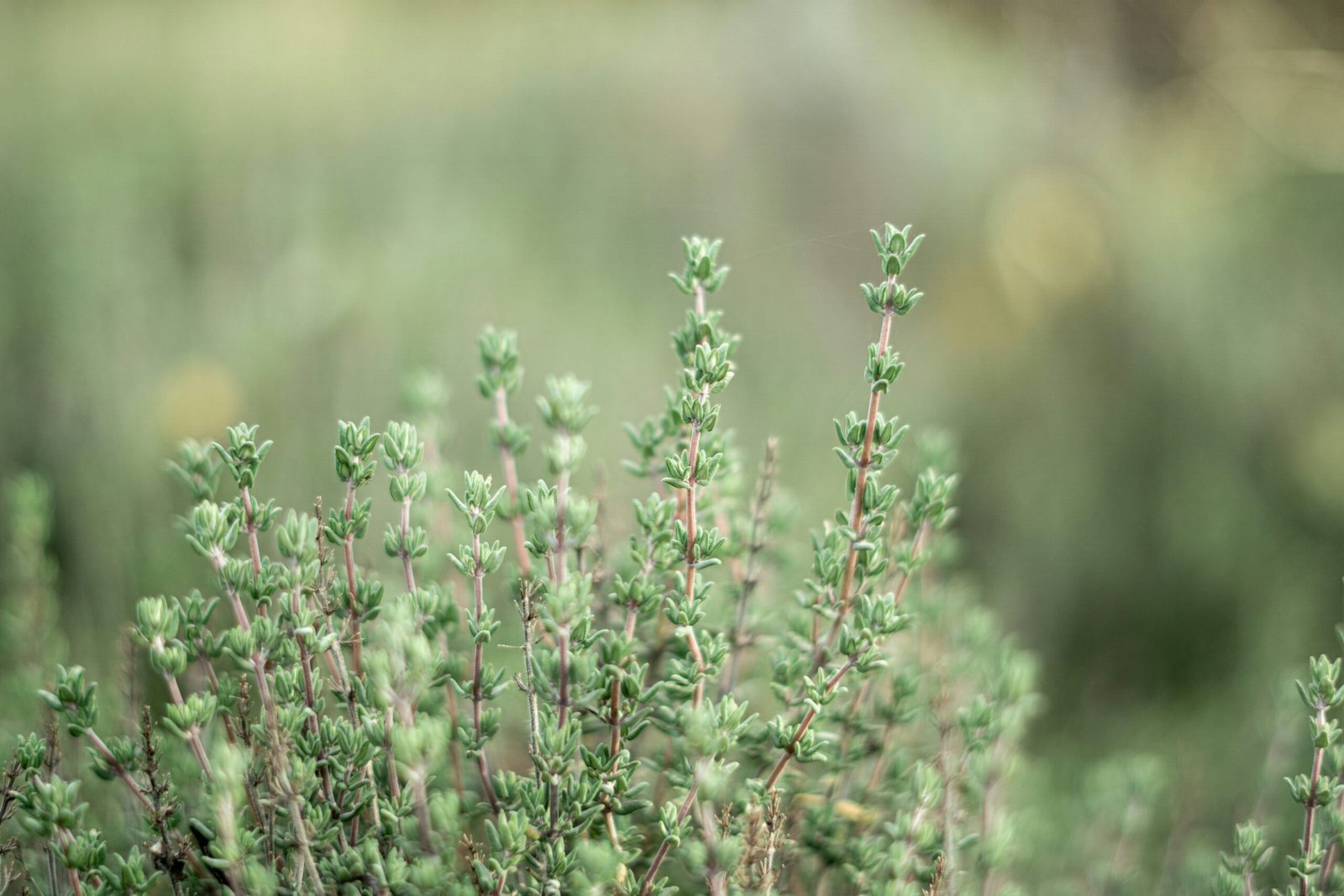
Introduction to Thyme as a Natural Support for Chickens
Thyme (Thymus vulgaris) has long been celebrated not only as a culinary herb but also as a potent natural remedy, particularly in the field of poultry farming. This evergreen herb, native to the Mediterranean region, offers a plethora of benefits that enhance the health of chickens. Historically, thyme has been employed in various cultures for its medicinal properties, making it a remarkable option for poultry enthusiasts seeking alternative therapies.
As a traditional herbal remedy, thyme possesses natural antimicrobial and antifungal properties, which can help in maintaining a healthy environment for chickens. By incorporating thyme into their daily diet or through the application of thyme essential oil, poultry farmers can bolster their flock’s immunity and reduce the reliance on synthetic medications. This natural approach aligns well with the increasing trend of holistic farming practices that emphasize animal welfare and sustainable approaches.
The benefits of thyme extend beyond disease prevention, playing a vital role in improving overall chicken well-being. It enhances digestive health, aids in nutrient absorption, and promotes a A robust gut microbiome. Furthermore, its anti-inflammatory properties can alleviate common respiratory issues, making thyme an essential herb for maintaining optimal chicken health.
In essence, integrating thyme into poultry care offers a multitude of health benefits. As we explore the specific advantages thyme provides, it becomes clear that this herb is an invaluable resource. From boosting immunity to enhancing digestion, thyme stands out as a holistic alternative to conventional medications, promising a healthier future for chickens and promoting sustainable farming practices.
Preparation and Administration of Thyme for Chickens
Incorporating thyme into a chicken’s diet can be a simple process when a systematic approach is used. Whether you choose dried thyme, fresh thyme, or an infusion in their feed or water, understanding the appropriate method and dosage is crucial to ensuring optimal health for your flock.
Methods of Administration
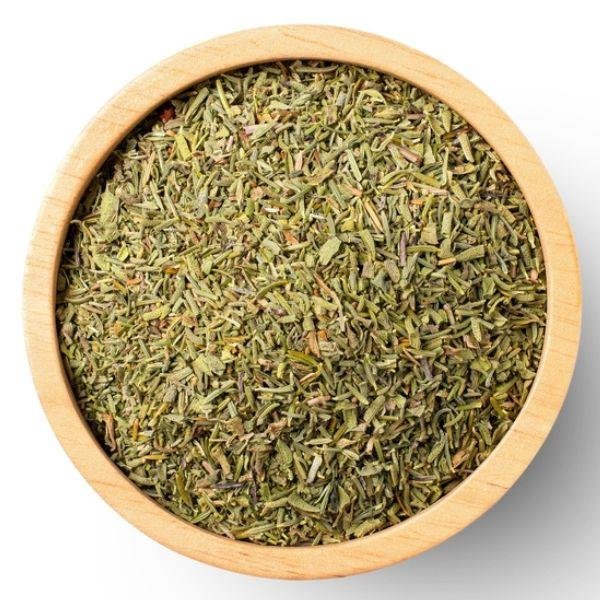
- Dried Thyme: A common method involves adding dried thyme directly to the chickens’ feed. Use approximately one teaspoon of dried thyme per pound of feed. Ensure the feed is well-mixed, allowing the thyme to disperse evenly. Consistent administration supports immune health and digestion.
- Fresh Thyme: Utilize fresh thyme, providing additional health benefits due to its potent essential oils. Consider using about one tablespoon per chicken, depending on their size. Chickens enjoy pecking at fresh herbs, providing both entertainment and nutrition.
- Thyme Infusion: Steep a handful of fresh thyme in hot water for about 30 minutes. Once cooled, add the mixture to their drinking water. This approach is beneficial, especially during warmer weather, as it encourages consumption and enhances effects.
Timing is Key
It is often beneficial to provide thyme during transitions, such as seasonal changes or periods of increased stress due to environmental factors. Regular incorporation of thyme into the diet, alongside proper care, can lead to a noticeable improvement in overall chicken wellness.
Using Thyme in Times of Stress
Chickens can get stressed out for all sorts of reasons. including environmental shifts, medical procedures, and unexpected events. Heat waves, relocation, and vaccination periods can particularly strain their well-being. During these stressful times, incorporating thyme into their diet can be beneficial, offering numerous health advantages that aid in recovery and overall wellness.
Thyme’s natural calming properties help reduce anxiety in chickens. The essential oils, especially thymol and carvacrol, have anxiolytic effects, promoting tranquility. Introducing thyme during stressful periods, such as transportation or vaccinations, helps chickens adjust faster, reducing stress-related health issues. A calmer environment allows farmers to maintain optimal flock productivity.
Beyond calming effects, thyme also has anti-inflammatory properties. Stress often increases inflammation, hindering recovery and weakening the immune system. Thyme’s compounds alleviate inflammation, enabling chickens to recover more efficiently from physical stressors. As a result, thyme supports immediate recovery and enhances long-term health.
Thyme is a valuable tool for farmers, especially for emergency preparedness. By using thyme during stressful times, farmers can ensure their chickens are better equipped to handle challenges, leading to healthier, more resilient flocks.