
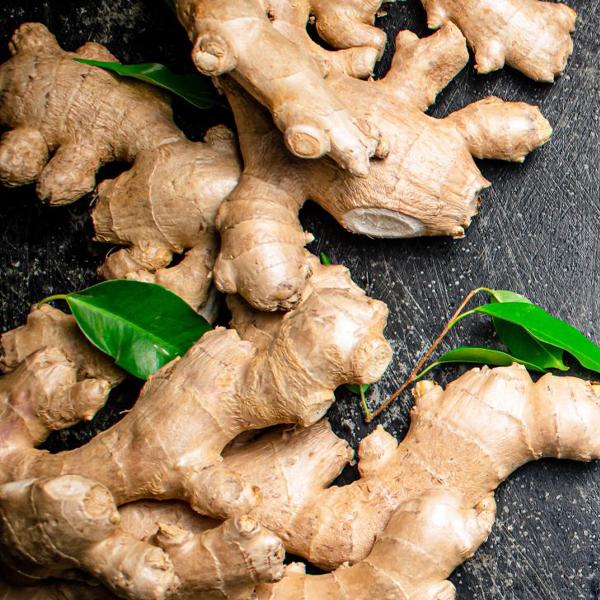
Ginger, scientifically known as Zingiber officinale, is a flowering plant belonging to the family Zingiberaceae. Its rhizome, commonly referred to as ginger root, is highly valued for its culinary and medicinal properties. The rich nutritional profile of ginger includes an array of vitamins, minerals, and antioxidants that can significantly benefit the health of chickens. Among its constituents, essential vitamins such as vitamin C and B vitamins, along with key minerals like potassium and magnesium, playing vital roles in maintaining optimal health and physiological functions in chicken.
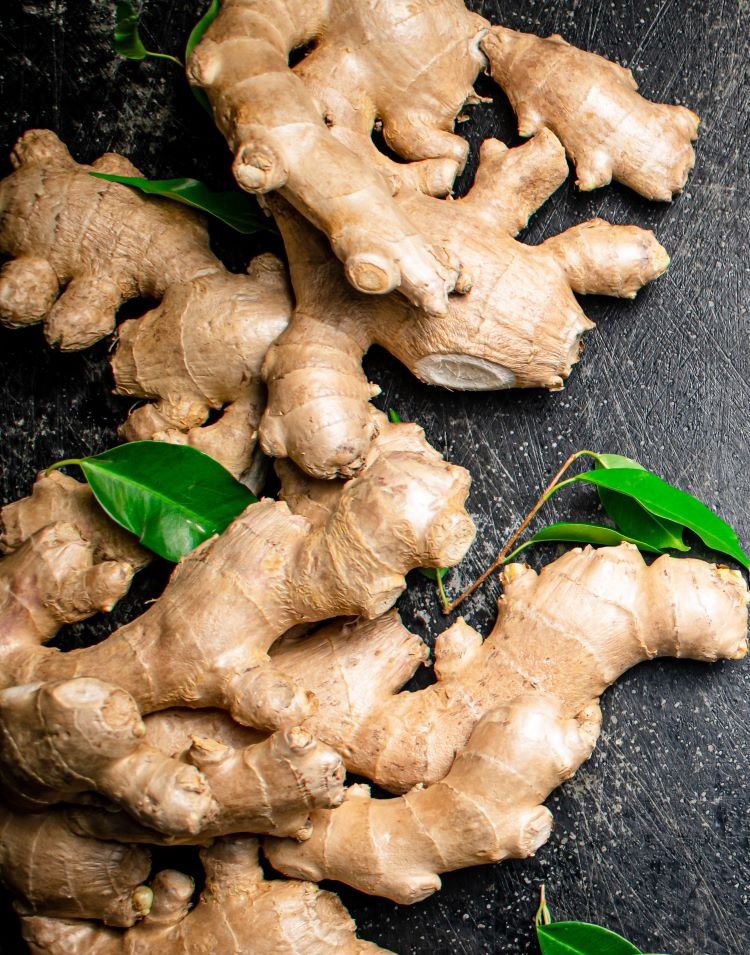
The capacity of ginger to boost immunity is one of the most notable benefits of including it in a chicken’s diet. For young chicks, whose immune systems are still growing, this is especially important. Ginger’s antioxidants lower the incidence of infections and illnesses by fighting oxidative stress. Ginger’s antibacterial qualities can also improve chickens’ general health by strengthening their defenses against infections.
Furthermore, ginger is recognized for its digestive properties, which might be especially beneficial for pullets in the vital stage of growth and development. Ginger’s carminative qualities aid in easing gastrointestinal distress and facilitating easier digestion, which improves the efficiency of nutritional absorption. Additionally, ginger can help adult chickens reduce inflammation, which is crucial for egg-laying breeds’ long-term health and productivity.
Including ginger in a chicken’s feed can make the birds healthier and more productive at different periods of their lives. Its many nutritional advantages improve the general health and productivity of chicks, pullets, and adult hens in a chicken farming environment by meeting their unique needs.
Methods of Incorporating Ginger into Chicken Feed
Ginger can be added to the diet of your chickens in a variety of ways, each with its own set of benefits. The dry preparation of ginger root and the grinding into water method are the two main techniques. Owners of chickens can successfully incorporate this helpful herb into their feed thanks to both simple and accessible methods.
The first method involves drying fresh ginger root. To do this, begin by selecting high-quality ginger. Wash the roots thoroughly to remove any dirt and contaminants, then slice the ginger into thin pieces to expedite the drying process. Place the slices in a dehydrator. The objective is to ensure that the ginger pieces are completely dried without burning.
Once dried, the ginger can be crushed into a fine powder using a spice grinder or mortar and pestle. This ginger powder can then be mixed into your chickens’ standard feed at a ratio of approximately 2-5% of the total feed weight. This method enables easy incorporation of the herb while providing essential nutrients and aiding digestion.
The second method is the grinding into water technique, which creates a ginger-infused drink that chickens can consume. To prepare this, combine fresh ginger root with water in a blender. Use a ratio of about one ounce of ginger for every quart of water. Blend until smooth, and then strain the mixture through a fine sieve or cheesecloth to remove solid particles, leaving you with a concentrated ginger extract.
This liquid can be diluted with additional water and served to chickens as a healthy tonic. Not only does it enhance hydration, but it also supports the immune system and overall well-being of the birds. Regularly incorporating either of these methods into your chickens’ diet can promote better health, boost nutrient absorption, and encourage optimal growth.
Determining the Right Dosage of Ginger for Chickens at Various Ages
Ginger is increasingly recognized for its numerous health benefits for chickens, and understanding the appropriate dosage is crucial for achieving optimal results. The amount of ginger administered can significantly vary based on the age and developmental stage of the chickens. It is essential to tailor the dosage not only to the age group but also to factors such as weight and breed.
For newly hatched chicks, the recommended dosage of ginger is 0.1 grams per chick per day. This amount can be offered in a finely ground form mixed with their feed to ensure that young chickens can digest it easily without experiencing digestive upset. As the chicks grow into young growers, around 4 to 8 weeks of age, the dosage can be increased to 0.25 grams per bird per day.
For adult chickens, a dosage of 0.5 grams per chicken per day is generally advisable. It is important to consider the breed as some heavier breeds might benefit from a slightly higher dosage, while lighter or smaller breeds may require less. Always monitor the individual chicken’s response when introducing ginger into their diet; any signs of digestive disturbances should be taken seriously, and the dosage should be adjusted accordingly.
When starting to incorporate ginger into a chicken’s diet, it is highly recommended to do so gradually. Begin with small amounts to allow the chickens’ digestive systems to adapt. A useful strategy is to mix small doses of ginger into their regular feed for the first few days, subsequently increasing the amount to the target dosage over a period of about one week. This gradual introduction helps mitigate any potential digestive issues, allowing for a smoother transition to the benefits of ginger.
Below is a helpful dosage chart for quick reference:
- Chicks (0-4 weeks): 0.1 grams per chick per day
- Growers (4-8 weeks): 0.25 grams per chicken per day
- Adults (8 weeks and older): 0.5 grams per chicken per day
As we explore the multifaceted benefits of ginger for chicken health, it is essential to expand your understanding of poultry nutrition and care. Our website offers a diverse range of articles and resources that can provide further insights into optimizing your chickens’ well-being. For those interested in a comprehensive overview of general chicken nutrition, be sure to check out our section dedicated to nutritional guidelines which delve into essential dietary needs and the role of various supplements.
Additionally, if you are keen on exploring natural remedies to promote health in poultry, our dedicated resource on remedies highlights numerous beneficial herbs, including ginger. This exploration covers the benefits of using natural ingredients to improve immune function and overall vitality. Each remedy is carefully examined, offering insight into preparation and ideal dosages, ensuring that you can effectively incorporate these alternatives into your chicken’s diet.
For enthusiasts raising specific breeds, we also provide detailed care guides that cater to different chicken varieties. These guides not only focus on general husbandry practices but also address specific health issues that breeds may encounter, providing tailored advice on feeding, housing, and health management. Whether you are raising heritage breeds or modern hybrids, these resources can support your journey in attending to their unique needs.
Very helpful
Very helpful