
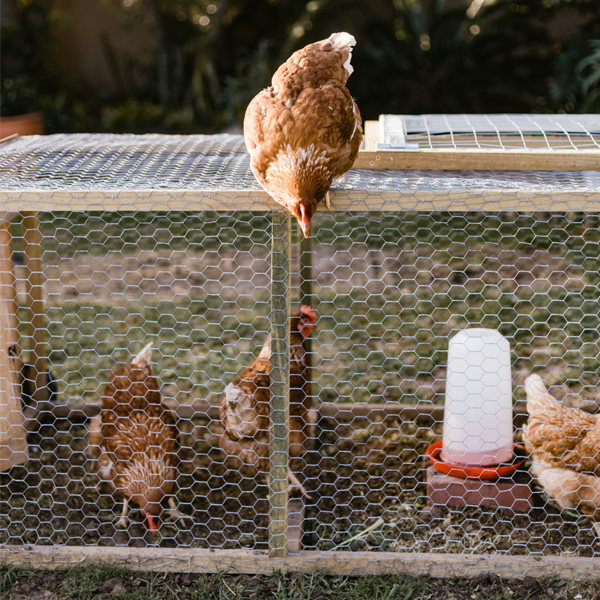
Instead of focusing solely on disease outbreaks and poor egg production as the main problems in the poultry industry, it’s crucial to recognize that many challenges often arise much earlier in the operation. These issues can surface even before chicks arrive. The beginning of a farm setup is an important, often ignored foundation that determines whether your birds thrive and reach their full potential or struggle and perform poorly throughout their lives.
A strong setup isn’t about expensive buildings or complex designs; it’s about creating the right conditions that allow birds to express their full potential with minimal stress and prevent avoidable losses.
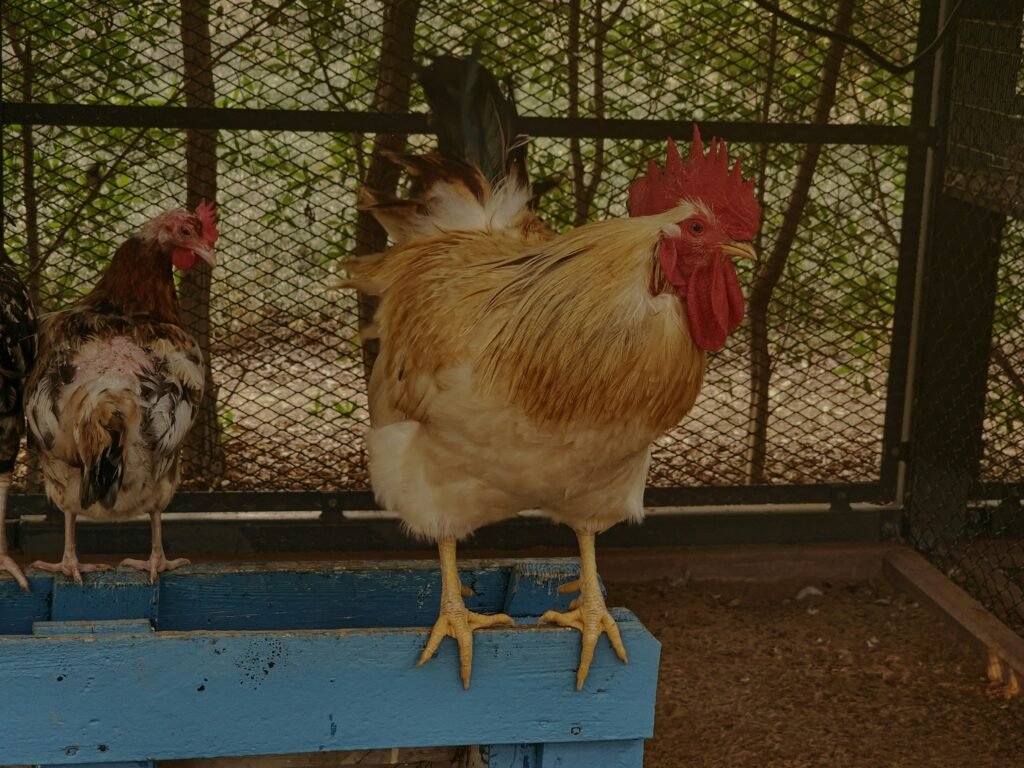
Location is the first decision, setting the tone for everything else. A poultry farm should be established on well-drained land. Areas prone to flooding or stagnant water encourage damp litter, parasite buildup, and disease pressure.
Distance also matters. Farms located too close to busy roads, refuse dumps, or other poultry operations face higher biosecurity risks. Easy access for feed delivery and egg evacuation is important, but not at the cost of constant disturbance to the birds. A calm, accessible, and hygienic location gives your flock a head start even before housing comes into play.
Housing Design and Orientation
Consider a poultry house as something beyond a simple shelter; it’s the complete living environment for the birds. The structural design must offer protection from severe weather while still allowing natural air circulation. Correct structure helps to lessen heat-related stress and the build-up of moisture. Good ventilation removes excess warmth, controls humidity levels, and reduces dangerous gases, such as ammonia.
Chickens raised in poorly ventilated buildings often consume smaller amounts of food, develop at inconsistent rates, and eventually exhibit reduced egg-laying performance. Even with good nutrition and breeding, a poorly designed housing structure can slowly lead to lower overall output.
Overcrowding is one of the most common but least acknowledged mistakes in poultry farming. When birds compete for space, feeders, and water, stress levels rise. Stress reduces immunity, increases aggression, and creates ideal conditions for disease spread.Adequate space allows birds to rest properly, access feed evenly, and maintain normal behavior. For layer farms especially, long-term productivity depends on consistent comfort.
Planning Your Farm Flow and Movement Control
A well-designed farm prioritizes movement control from the outset. Consider how people enter, where equipment is stored, and how materials move in and out. Uncontrolled movement elevates the risk of introducing pathogens and complicates future biosecurity efforts. Simple planning, such as designated entry points and restricted areas, can effectively reduce contamination without significant cost. This stage directly impacts your farm’s hygiene and health management.
Even small farms should be built with tomorrow in mind. A good setup leaves room for expansion without disrupting existing birds. Many farms collapse not because they grow, but because they grow without planning. Future scalability includes space, layout, and ease of management. Planning ahead saves money and stress later.
Farm setup does not produce instant profit, but it shapes every result that follows. Feed efficiency, mortality rate, egg size, laying consistency, and labor efficiency all trace back to this foundation. Farmers who get setup right spend less time firefighting problems and more time improving performance.