
Understanding Your Farming Purpose
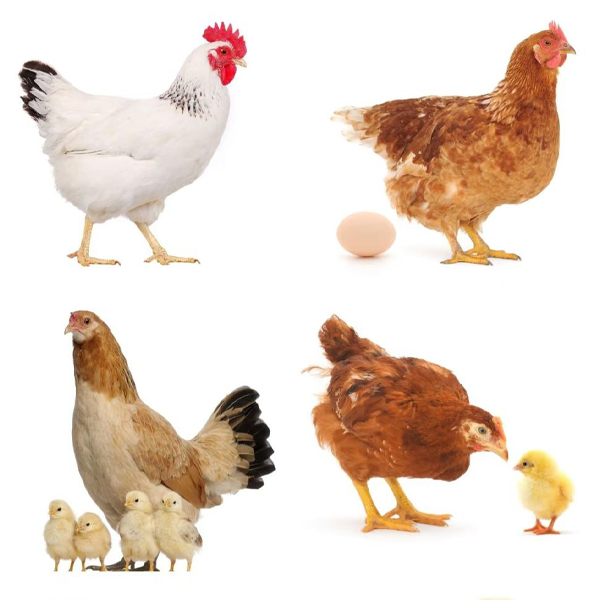
When considering raising chickens, it is important to define your primary purpose, as chickens are typically categorized into three distinct categories: meat production, egg-laying, and dual-purpose breeds. Each category possesses unique characteristics that cater to specific farming goals.
Meat chickens, often referred to as broilers, are specifically bred for their rapid growth and high meat yield. These birds, such as the Cornish Cross, are known for their broad breast and superior feed conversion rates. Ideal for meat production, they thrive in environments that provide adequate space for growth and access to nutritious feed. Broilers generally reach market weight within six to eight weeks, making them a favorable choice for farmers focused on quick returns.
On the other hand, layer chickens are bred primarily for egg production. Breeds such as the Leghorn or Rhode Island Red are well-regarded for their prolific laying capabilities.
These hens can produce a large number of eggs per year, often exceeding 300 eggs, and require conditions that support their health, such as a comfortable coop, adequate light, and a balanced diet. Layer chickens usually have lower body weight, which allows them to dedicate more resources to egg production rather than meat development.
Lastly, dual-purpose breeds provide a versatile option for poultry farmers looking for both meat and egg production. Breeds like the Plymouth Rock and Orpington are admired for their balanced capabilities, yielding a moderate meat supply while also laying eggs consistently. These breeds are suitable for small farms or backyard poultry operations, contributing to a sustainable practice where both meat and eggs can be harvested.
This foundational understanding of the various chicken types is critical in aligning your breed selection with your agricultural goals. By evaluating your purpose, you can effectively choose a breed that harmonizes well with your farming ambitions, ensuring a productive and efficient poultry operation.
Factors to Consider When Choosing a Chicken Breed
Choosing the right chicken breed is pivotal for successful poultry farming. Several factors contribute to the selection process, and understanding these can greatly influence both the productivity and viability of your farm. The first aspect to consider is climate adaptability. Different breeds have varying levels of tolerance to temperature extremes.
For instance, certain breeds are more suited for colder climates, boasting dense plumage that helps insulate them, while others thrive in warm environments, displaying heat-resistant traits. Farmers should assess local weather conditions to ensure that the selected breed is well-suited to their specific climate.
Another critical consideration pertains to space requirements. Chickens need adequate space for foraging, nesting, and roaming, which can significantly impact their well-being and egg production. Breeds that require less space may be more suitable for smaller farms, while larger breeds might need more extensive areas to thrive. Calculating the available space in relation to the number of chickens is essential to guarantee a healthy living environment.
Growth rate is a significant factor, especially for those raising chickens for meat. Fast-growing breeds can be beneficial for producers looking to optimize production timelines. Conversely, egg-laying breeds vary in their growth rates and age of maturity. Depending on whether the focus is on meat or egg production, chicken farmers should carefully consider the growth characteristics of the breed they select.
Additionally, temperament plays a vital role in breed selection. Some chickens are known for their calm and docile nature, making them ideal for backyard farms, while others may exhibit more aggressive behavior, which could be problematic in a mixed flock.
Finally, disease resistance is paramount; selecting breeds known for their hardiness against prevalent diseases in the area can mitigate health risks and reduce reliance on veterinary interventions. By carefully analyzing these factors, poultry farmers can make informed decisions that enhance the sustainability and productivity of their operations.
Popular Chicken Breeds and Their Characteristics
Choosing the right chicken breed is essential for poultry farmers, as different breeds possess unique characteristics that cater to specific farming goals. Among the most popular chicken breeds are the Rhode Island Red, Leghorn, and Sussex, each known for particular strengths.
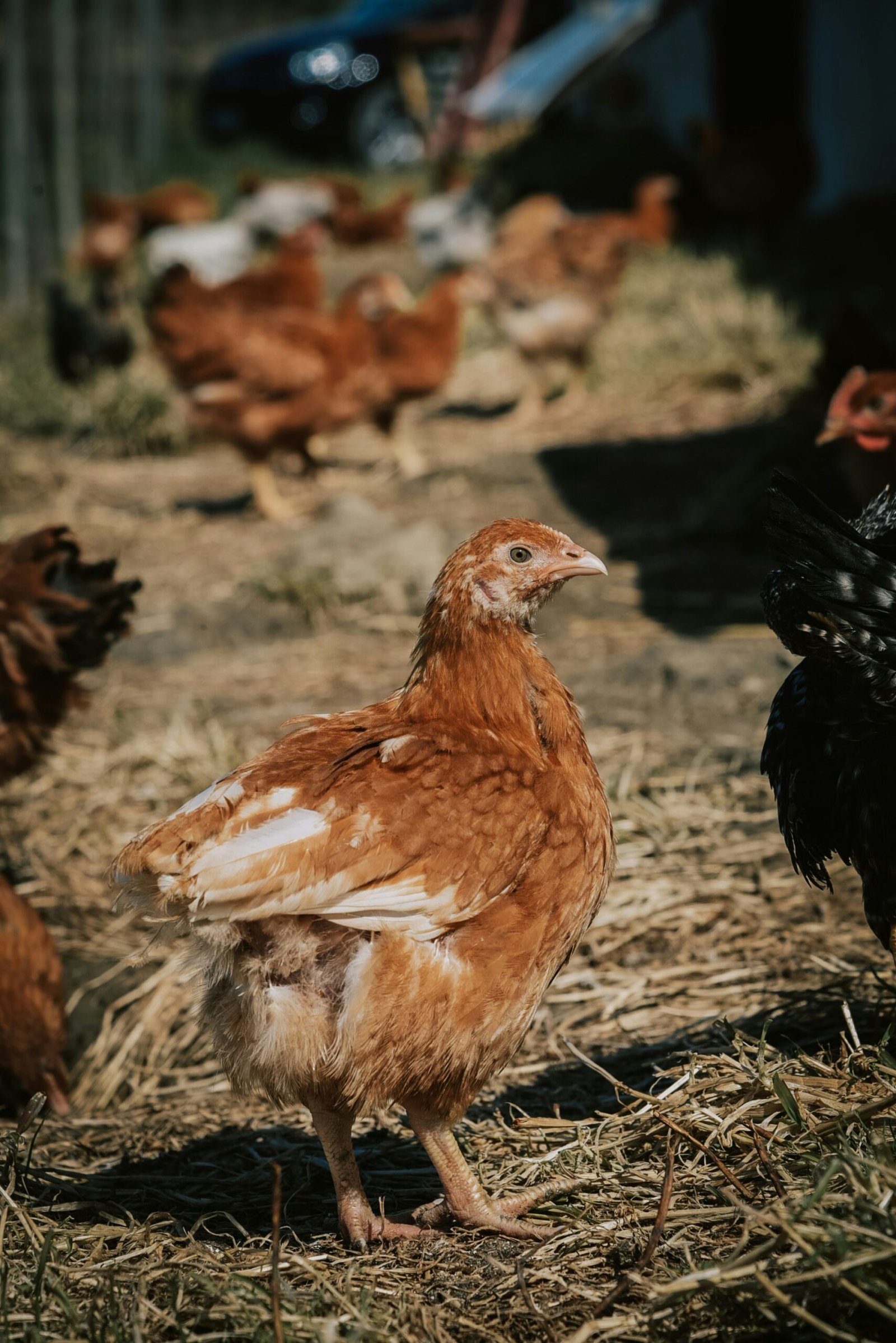
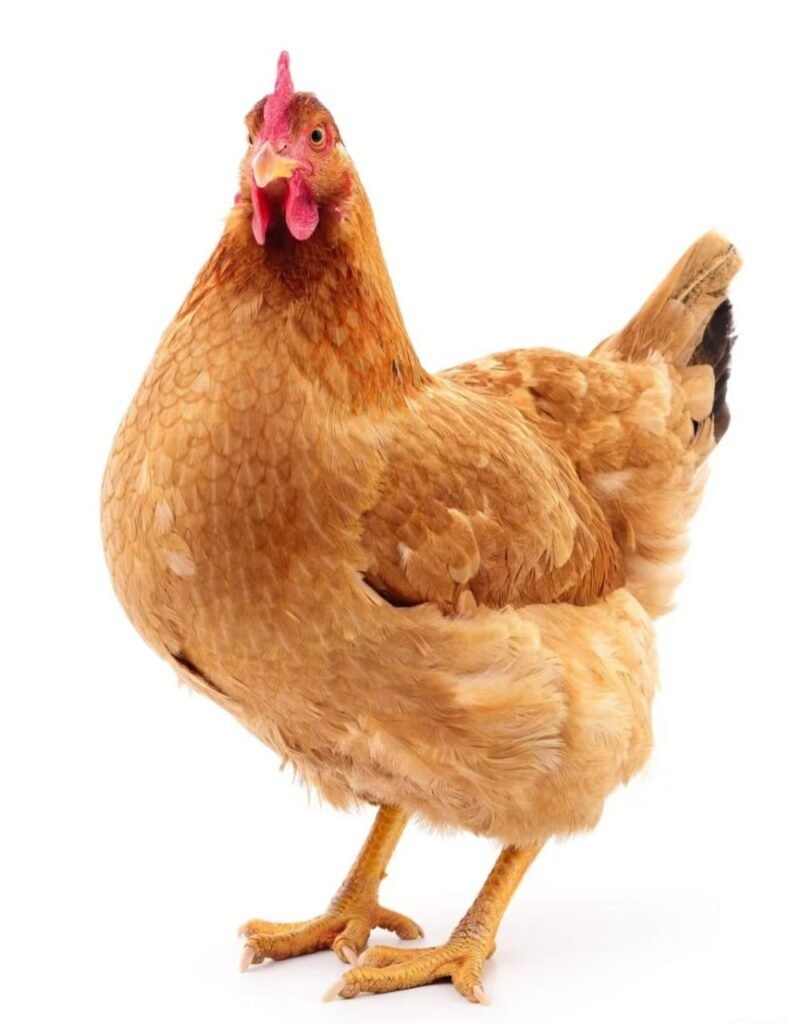
The Rhode Island Red is highly regarded for its hardiness and ability to adapt to various environments. This breed is an exceptional layer, producing approximately 200-300 brown eggs annually. Additionally, Rhode Island Reds are known for their robust constitution, making them easy to care for and resilient against diseases. They also have a good meat-to-feather ratio, providing farmers with year-round benefits.
In contrast, the Leghorn is celebrated primarily for its excellent egg-laying capabilities. These birds can lay up to 300 white eggs per year, making them a favorite among commercial egg producers.
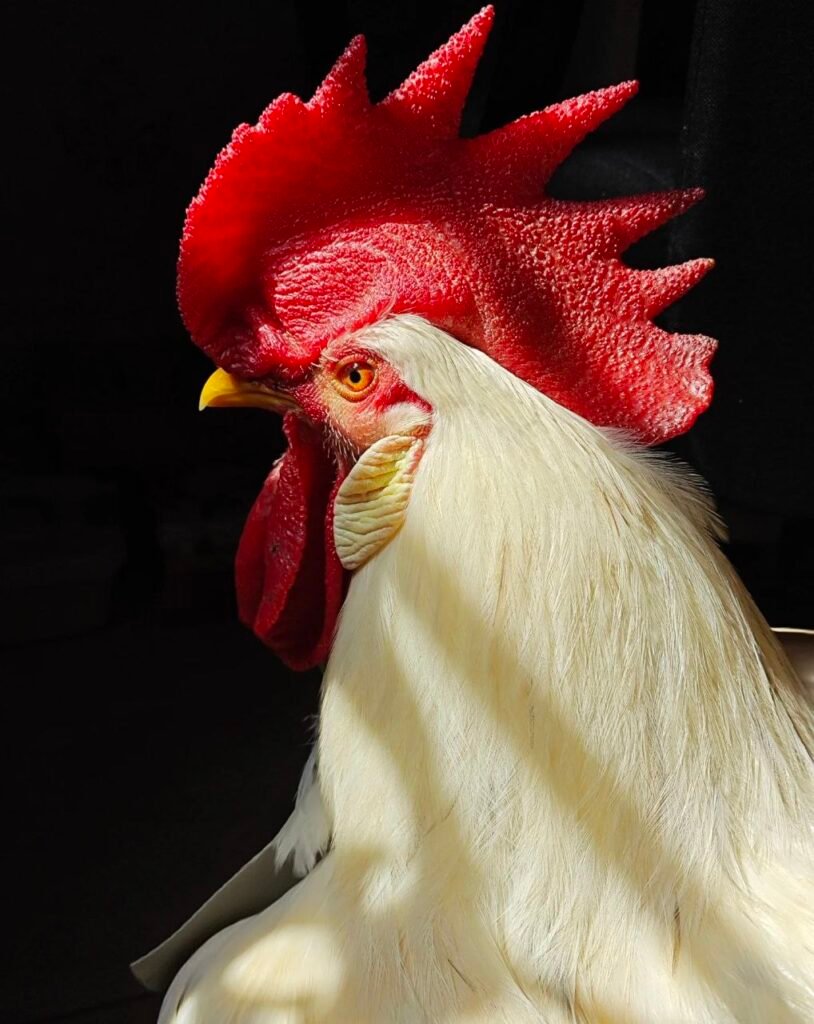
Leghorns are active foragers, thriving in free-range setups, which contributes to their efficient feed conversion. However, they are not typically raised for meat as they are lighter in weight compared to heavier dual-purpose breeds.
The Sussex breed strikes a balanced approach, being both a reliable layer and a good meat producer. Sussex hens lay around 250-300 eggs annually and are recognized for their sociable and calm demeanor, which makes them ideal for backyard flocks. Additionally, their quality meat is valued for its tenderness and flavor, which appeals to farmers who seek dual-purpose utility.
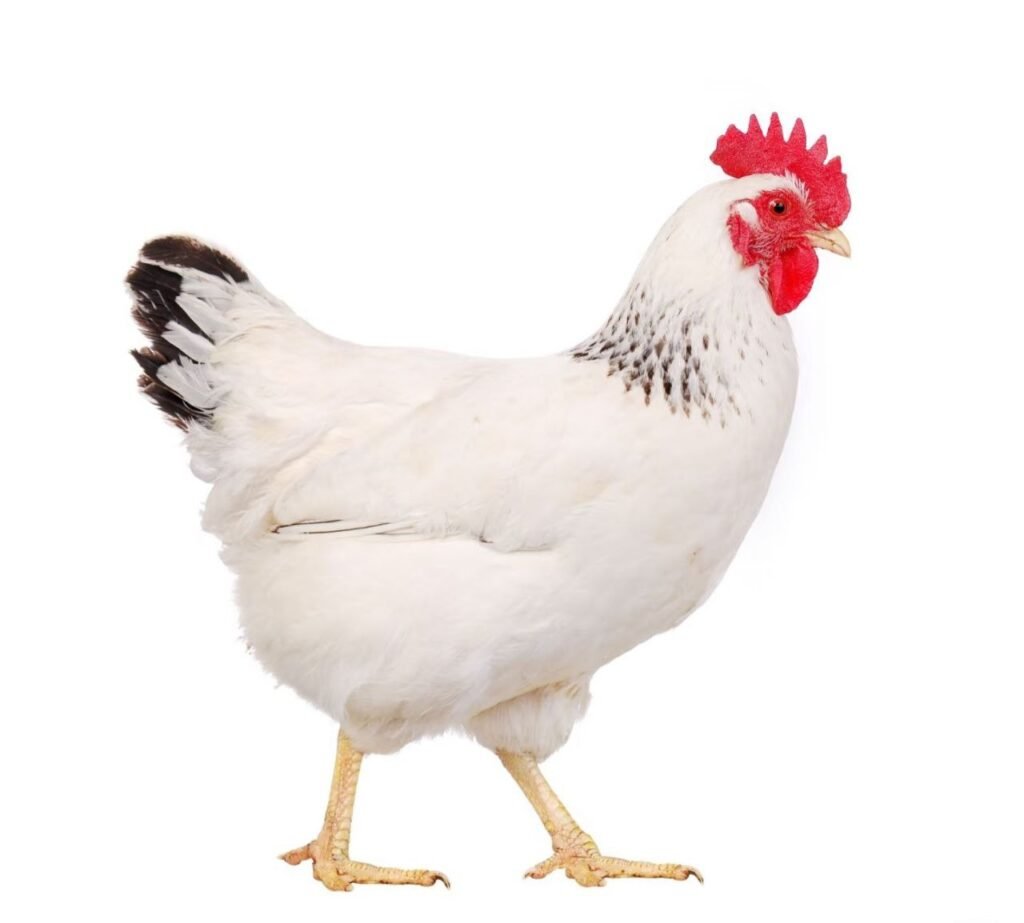
Ultimately, understanding these characteristics allows poultry farmers to select breeds that align with their operational objectives, whether focused on egg production, meat quality, or overall resilience. By evaluating these aspects, farmers can optimize their flocks for both performance and ease of care.
Aligning Breed Selection with Long term Farming Success
In the journey of poultry farming, the selection of the right chicken breed plays a crucial role in ensuring both productivity and sustainability. Each breed brings with it a unique set of characteristics that can either align perfectly with your farming goals or lead to unnecessary challenges.
Therefore, it becomes essential for farmers to consider their personal objectives be it egg production, meat quality, or adaptability to local conditions when making this significant decision.
Throughout this guide, we have highlighted various factors influencing breed selection, including climate suitability, temperamental differences, and the specific needs of your farm management practices.
Understanding these elements enables farmers to make informed choices that not only meet immediate requirements but also support long-term success. Moreover, collaborating and connecting with local poultry communities can provide invaluable insights and firsthand experiences related to the performance of specific breeds in your area.
Research has shown that spending time to thoroughly assess different chicken breeds, as well as engaging with knowledgeable sources, can significantly affect overall farm success. This deep understanding allows you to cultivate a more fulfilling farming experience, rooted in informed decisions about breed selection.
By investing time in this alignment process, farmers can ensure their poultry operations are not just productive but also resilient, adapting to both market demands and environmental shifts.
The choice of chicken breed is a foundational aspect of poultry farming that warrants careful consideration. By integrating all these components into your decision-making framework, you can foster a thriving poultry business that truly reflects your personal aspirations and the ecological context in which you operate.