
What is Fowlpox?
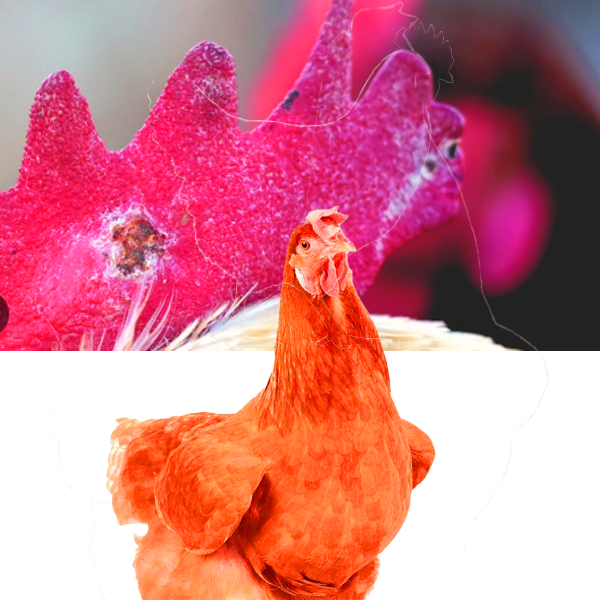
Fowlpox is a viral disease caused by the fowlpox virus, a member of the Poxviridae family. It predominantly affects domestic poultry, including chickens, turkeys, and ducks, leading to significant economic losses in the poultry industry worldwide. The disease is characterized by skin lesions and respiratory distress, which can vary in severity depending on the affected species and their overall health.
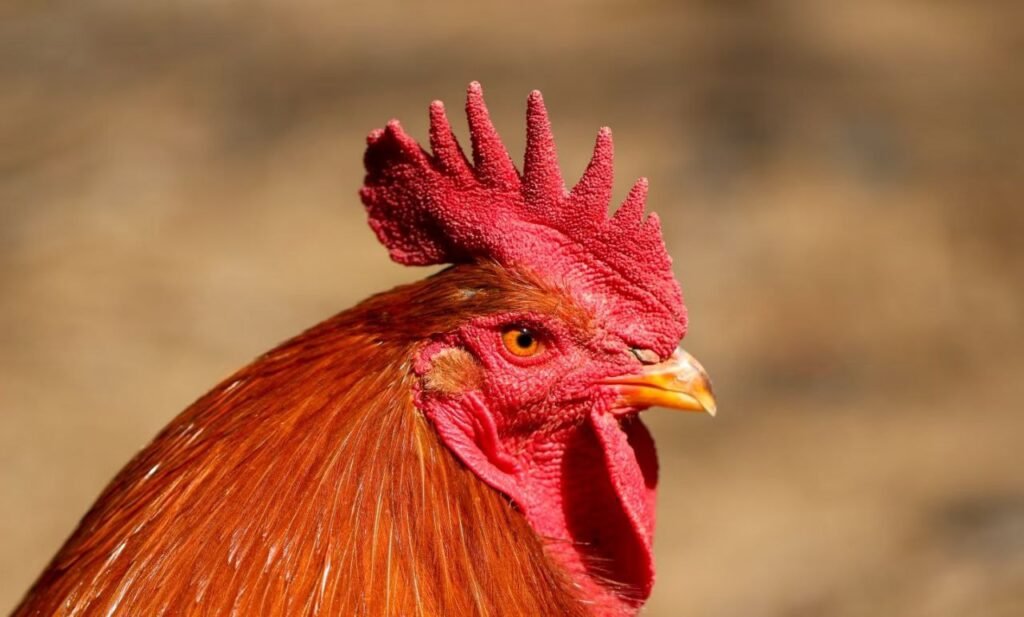
In chickens, fowlpox manifests in two primary forms: the cutaneous form and the diphtheritic form. The cutaneous form is identified by the presence of wart-like lesions on the comb, wattles, and unfeathered skin, while the diphtheritic form primarily affects the mucous membranes of the mouth and upper respiratory tract, presenting as yellowish lesions that can obstruct breathing and feeding.
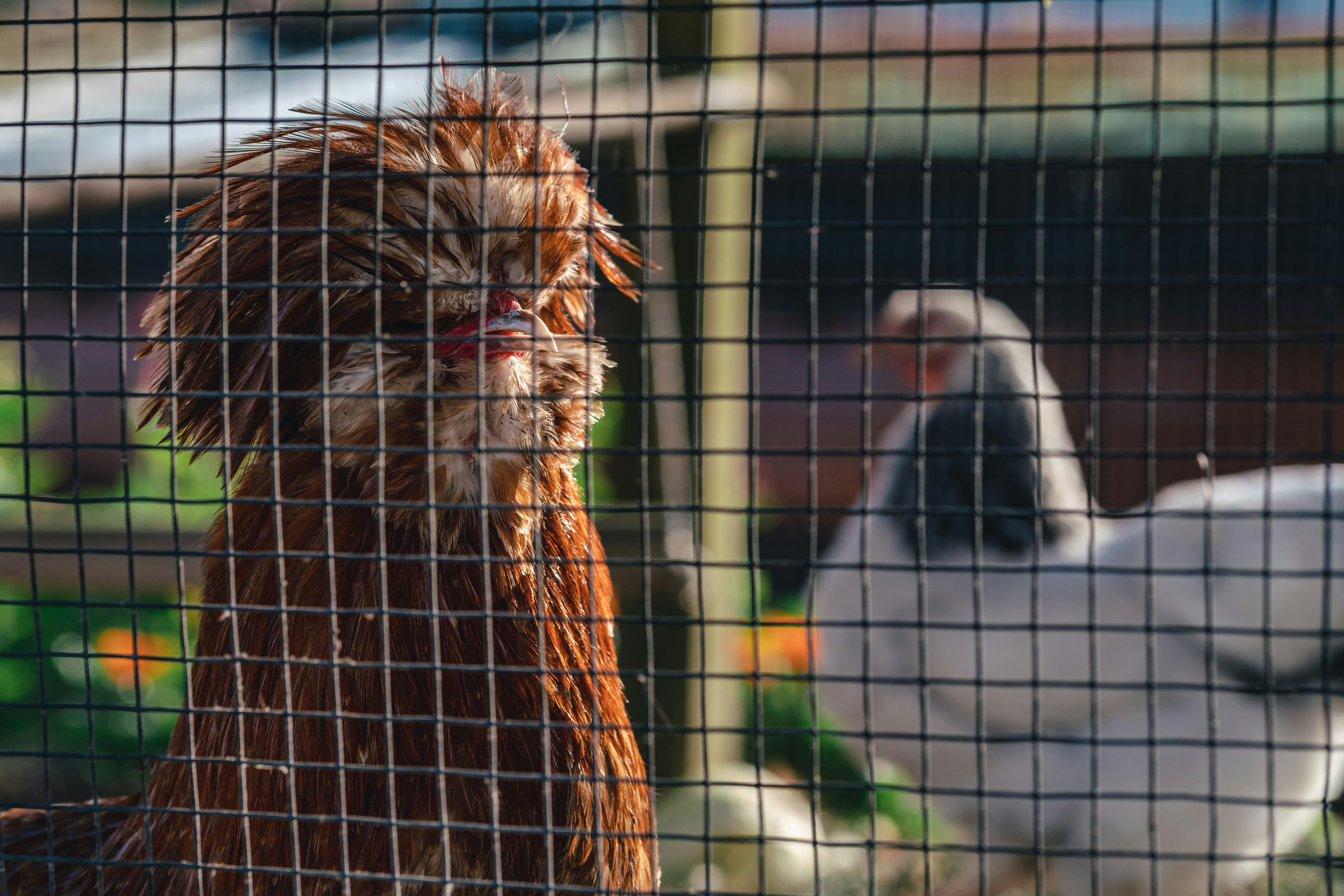
The transmission of fowlpox occurs through both direct and indirect methods. Direct transmission can happen through contact with infected birds or contaminated surfaces, such as feeders and waterers. Indirect transmission may involve vectors like mosquitoes or other biting insects, which can carry the virus from infected poultry to healthy birds. This highlights the importance of maintaining biosecurity measures in poultry farming to prevent outbreaks of fowlpox.
The cycle of fowlpox infection progresses through several stages, starting with an incubation period of about 7 to 12 days post-exposure. Infected birds will initially show subtle signs of illness, followed by the development of lesions. After several days, lesions may begin to crust over and eventually heal, but the infected bird can remain a carrier, spreading the virus to other poultry in the flock.
Symptoms and Diagnosis of Fowlpox
Fowlpox is a viral disease that impacts poultry, characterized by specific observable symptoms. One of the primary signs of fowlpox is the presence of lesions, which typically appear on the comb, wattle, and other areas of unfeathered skin, resembling wart-like growths.
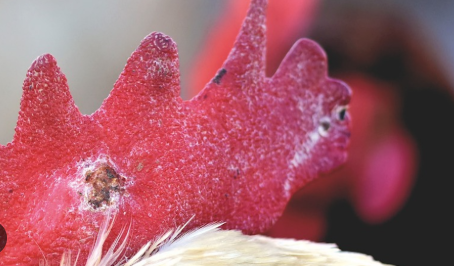
These lesions can also develop in the mucous membranes of the mouth and respiratory system, leading to potential complications if not addressed. Birds afflicted by fowlpox may exhibit respiratory distress, including coughing, nasal discharge, and difficulty breathing, exacerbating the overall health decline observed in the flock.
In addition to these prominent symptoms, affected birds may show lethargy, reduced feed intake, and overall weakness. The progression of the disease can lead to severe cases, where secondary infections or complications arise due to the impaired immune response from the initial viral attack. As fowlpox progresses, it can significantly impact egg production, lowering quality and quantity, which often concerns poultry farmers.
Diagnosing fowlpox involves a combination of clinical examination and laboratory assessments. During a physical examination, veterinarians will look for the characteristic lesions and assess respiratory function. They are crucial in distinguishing fowlpox from other diseases, such as avian pox or Newcastle disease, which present with similar symptoms but require different management strategies. Laboratory testing, including polymerase chain reaction (PCR) assays or serological tests, can confirm the diagnosis, allowing for accurate treatment and intervention.
Recognizing the signs of fowlpox early and implementing proper diagnostic techniques are essential for any poultry farmer to mitigate losses and manage their flocks effectively.
Preventive Measures for Poultry Farmers
Poultry farmers play a crucial role in the management and prevention of fowlpox, a viral disease characterized by the appearance of lesions on the skin and respiratory issues in birds. Implementing effective preventive measures can significantly reduce the risk of fowlpox outbreaks within a flock. Here are several strategies that farmers should consider.
First and foremost, vaccination is a vital component in the fight against fowlpox. Poultry farmers should administer the fowlpox vaccine to birds at an appropriate age, according to veterinary recommendations. This vaccination creates immunity and helps to prevent the spread of the disease. It is essential to keep accurate records of vaccinations to ensure that all birds receive necessary inoculations.
In addition to vaccination, comprehensive biosecurity practices are paramount. Farmers must ensure that all visitors, equipment, and feed are free from the fowlpox virus. This can be achieved by employing strict access controls, such as cleaning and disinfecting footwear before entering poultry housing, and restricting entry to essential personnel only. Equipments such as vehicles should be cleaned regularly to prevent virus transmission between farms.
Environmental management also plays a significant role in mitigating the spread of fowlpox. Maintaining adequate ventilation and dry living conditions can help reduce the likelihood of virus proliferation. Farmers should regularly clean and sanitize housing areas, thereby limiting the accumulation of contaminated materials, which can harbor the virus.
Lastly, it is paramount to maintain a clean and healthy habitat for the birds. Regular health monitoring is essential, as observing and promptly addressing any signs of illness can help contain outbreaks quickly. Nutrition should also not be overlooked; providing well-balanced diets bolsters birds’ immune systems, making them less susceptible to infections.
Managing Outbreaks and Treatment Options
When dealing with fowlpox outbreaks, swift and effective management is crucial for minimizing losses within poultry populations. Once an outbreak is identified, the first step is to promptly isolate affected birds to prevent the disease from spreading to healthy individuals. This practice is essential, as fowlpox is a contagious viral disease that can quickly decimate entire flocks if not properly contained.
Veterinarians play a key role in the management of fowlpox outbreaks. They can provide diagnostic testing to confirm the presence of the virus and advise on appropriate treatment options. While there is no specific antiviral medication for fowlpox, supportive care is essential.
Infected birds should be provided with a comfortable environment, access to clean water, and a nutritious diet to help boost their immune response. Any secondary infections, which may occur due to skin lesions, should be addressed promptly with antibiotic interventions under veterinary guidance.
Post treatment care involves closely monitoring the flock for any signs of re-infection or additional outbreaks. It is vital to maintain stringent biosecurity measures, which include proper sanitation protocols, restricted movement between flocks, and regular health checks. Continuous monitoring allows farmers to identify any early signs of illness and take necessary action before the situation escalates.
Moreover, vaccination is an important preventive measure against fowlpox that can be implemented in conjunction with outbreak management. By vaccinating healthy chickens, poultry farmers can significantly reduce the risk of future infections, therefore protecting their livelihoods.