
Choosing a chicken breed is one of the earliest, and often most misunderstood, decisions a poultry farmer makes. Many farmers assume that once housing and feeding are in place, any bird will perform well. In reality, the breed you select determines how smoothly everything else will work. Breed selection isn’t about popularity or what others are raising; it’s about matching the bird to your environment, management capacity, and long-term goals.
Before considering any chicken breed, the initial question should be straightforward and honest: What is the primary production goal of the farm? Meat production and egg production place significantly different demands on the birds, housing, feeding, and overall management time.
Some breeds offer rapid growth and efficient feed conversion but are not suited for extended laying periods. Conversely, other breeds mature more slowly but are genetically predisposed to consistent egg production over time. Choosing a breed without this understanding frequently results in frustration, reduced returns, or the need for mid-cycle adjustments. This decision is most effective when it builds upon a strong farm foundation; therefore, breed selection should occur after proper setup, not before.
Environment Compatibility Matters More Than Potential
Every breed thrives best in conditions mirroring its origin. Heat tolerance, humidity resistance, and adaptability to local stressors differ significantly among breeds. A breed excelling in controlled environments may falter in harsher climates if management cannot adequately compensate. Conversely, birds well-suited to local conditions often exhibit more consistent performance, even with potentially lower peak production numbers. Consistency, not just potential, is what sustains a poultry business.
Some breeds demand strict feeding programs, precise lighting schedules, and close health monitoring for optimal performance, while others are more forgiving of minor management errors. New farmers often underestimate the demands of certain breeds. When management capacity doesn’t match breed requirements, birds suffer, and productivity declines gradually. Selecting a breed that aligns with your current management capabilities allows for growth without unnecessary losses.
Breed selection significantly impacts the speed of returns. Fast-growing breeds enable quicker turnover, whereas long-cycle breeds require patience and careful planning. Understanding this timeline helps farmers avoid setting unrealistic expectations and making poor financial decisions early in the production cycle. Many profitability issues, often attributed to feed costs or disease, stem from mismatched breed expectations. This is particularly crucial for farms aiming for expansion or gradual scaling.
Health History and Source Integrity Cannot Be Ignored
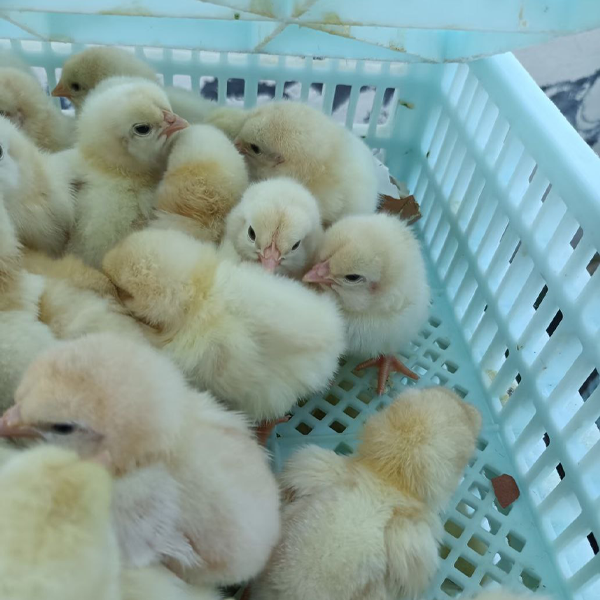
Even the best breed can fail if sourced from unreliable suppliers. Weak parent stock, poor hatchery practices, or stress during transport can permanently impact performance. Healthy chicks from reputable sources provide a significant initial advantage. This also reduces the need for medications and treatments later on, supporting both conventional and natural management strategies.
The right chicken breed simplifies management, supports steady production, and integrates naturally into the farm system. Conversely, the wrong breed demands constant corrections and drains resources. When breed selection aligns with farm setup, feeding plans, and stress management, the birds can express their full genetic potential with minimal interventions. This balance becomes increasingly crucial as the farm matures and production stabilizes.
As the PoultryTip journey continues, we will explore how feeding strategies, stress control, and disease prevention can further support your chosen breed, ensuring your selection decisions yield real results on the farm.