Feeding mistakes often stem from poor planning rather than issues that arise after the birds arrive. Many poultry farmers prioritize the type of feed they purchase but neglect to consider the practical aspects of how the feeding process will function once the birds are in the coop. Feed is more than just a nutritional supplement; it’s an entire system. A poorly designed feeding system can render even high-quality feed ineffective.
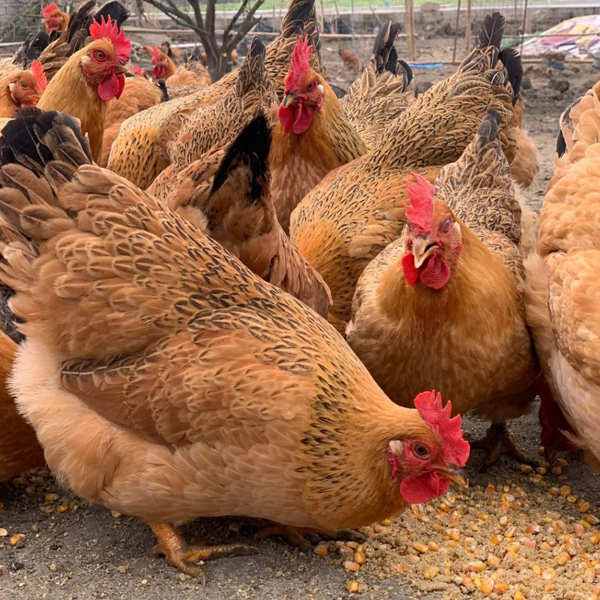
Before discussing specific feed types or ingredients, the most crucial aspect to consider is access. Birds must have easy, consistent, and competitive-free access to their feed. Improper feeder placement or inadequate feeder space can result in stunted growth and silent underfeeding.
Some birds will thrive while others fall behind, leading to significant weight discrepancies that are challenging to resolve later on. This imbalance is frequently evident in egg production, where only a portion of the flock performs as expected. Proactive planning of feeder quantities and layout can completely eliminate this issue.
Matching Feed to Purpose Prevents Waste
Feed needs to be tailored to the flock’s intended use. Egg-laying birds have different nutritional needs than those raised for meat. Employing the incorrect feed at the wrong stage may not result in immediate financial losses, but it will lead to decreased efficiency and increased expenses over time.
Providing too much protein is wasteful, whereas supplying insufficient energy will impede both growth and egg output. Achieving the right equilibrium is critical and must be established before the chickens arrive, not altered impulsively after production starts. A frequent early error is changing the feed too often. Rapidly switching brands, formulations, or feeding schedules can disrupt intake and stress the birds.
Chickens thrive on consistency. Predictable feeding routines allow them to eat calmly and efficiently convert nutrients. Unforeseen changes, even if intended, can cause reduced intake, which farmers often notice only when weight or egg production declines. Stable routines safeguard both the health of the birds and the farm’s finances.
Water and Feed Are One System
Feed planning without water planning is incomplete. Birds cannot utilize feed properly if water access is limited, dirty, or inconsistent. In many cases, performance problems attributed to feed quality are actually water-related. Drinkers should be positioned, cleaned, and checked with the same seriousness as feeders. Feed intake naturally drops when water intake drops, even briefly.
Feed should be available before birds arrive, stored properly, and protected from moisture and contamination. Emergency purchases, poor storage, or last-minute decisions often lead to avoidable losses.
When feeding is planned as part of the overall farm system alongside housing, lighting, and daily routines birds settle faster and perform more predictably. Feeding success is rarely about finding a miracle formula. It is about preparation, consistency, and understanding how birds actually eat.