
Introduction to the Importance of Observation
The first week of your new chicks is the most critical period in their life on your farm. What happens during these early days strongly affects their health, growth, and future egg production. At this stage, the birds are adjusting to a new environment, new feed, and a new routine. Careful observation during this time helps ensure they start off strong.
Moving to a new place is stressful for birds. They are exposed to unfamiliar surroundings, new flock mates, and different management practices. By watching them closely, you can quickly notice signs of stress, illness, or discomfort and take action before small issues turn into serious problems. Pay attention to how they eat, how they interact with one another, and how active they are.
Good observation also helps you recognize normal behavior. Once you understand what is normal for your flock, it becomes easier to spot anything unusual. Birds that are unusually quiet, inactive, or overly aggressive often need immediate attention. Early intervention can save birds and protect your investment.
Watching your birds closely also improves overall management. If something in their housing, feeding, or watering system is causing discomfort, observation will reveal it. Making quick adjustments keeps the birds comfortable, healthy, and productive. Close monitoring is not optional—it is a basic and essential part of good poultry care, especially during the first week.
Monitor Their Movement and Behavior
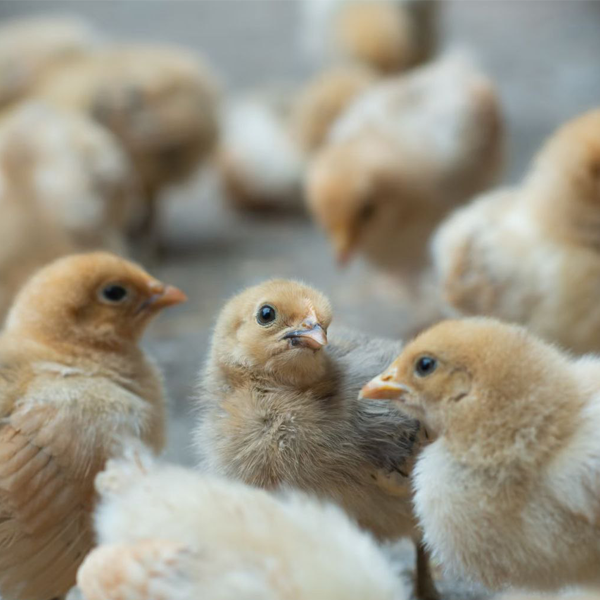
During the first few days, observe how the birds move and behave throughout the pen. Their behavior gives clear clues about their health and comfort. A healthy flock will move freely, spreading out naturally to eat, drink, rest, and explore.
Be alert to warning signs. If many birds crowd into one corner, it may indicate cold, drafts, or poor ventilation. If birds consistently avoid a particular area, something there may be frightening or uncomfortable for them. Identifying these issues early helps prevent stress and disease.
Check on the birds several times a day. Observe where they prefer to sleep, eat, and rest. Birds that are slow, isolated, or weak may be sick. Understanding these behavior patterns allows you to adjust their housing and maintain good flock health.
Observe Their Eating Pattern
Monitoring feed intake is very important with new birds. It is normal for them to eat less on the first day due to stress, but their appetite should improve within one or two days.
Watch both the feeders and the birds. Learn what normal feeding behavior looks like for your flock. A major warning sign is when birds stop eating suddenly or avoid the feeders completely. This often indicates stress, illness, or poor feed placement. Also, watch for excessive fighting around feeders, which may mean there is not enough feeding space. Ensuring all birds have access to feed helps them grow properly, stay strong, and resist disease.
Make Sure They Are Drinking Enough Water
Water is even more important than feed, especially during the first week. Birds can become dehydrated very quickly if they do not drink enough.
Provide clean, fresh water at all times in containers that are easy for the birds to reach. If birds seem hesitant to drink, place water in multiple locations. You can also add a very small amount of fruit juice to encourage them to drink during the first few days.
Look at Their Living Conditions
A comfortable environment reduces stress and supports good health, especially during the first week. Focus on three key areas: temperature, ventilation, and bedding.
Temperature: Birds are sensitive to extreme temperatures. Use a thermometer in the pen to monitor conditions. If it is too hot, provide shade and increase airflow. If it is too cold, ensure there is a warm, protected area.
Ventilation: Proper airflow removes moisture and bad odors from the pen. Open vents or windows to allow fresh air in, but avoid direct drafts blowing onto the birds. Signs of poor ventilation include panting birds and strong ammonia smells.
Bedding: The floor should be covered with clean, dry bedding such as wood shavings or straw. Wet or dirty bedding encourages disease and discomfort. Replace it regularly to keep the birds clean and healthy.
Finally, if you observe your birds and maintain the right environment during the first week, you give them the best possible start. Growing healthy, comfortable birds grow better, produce more, and reward your effort in the long run.