
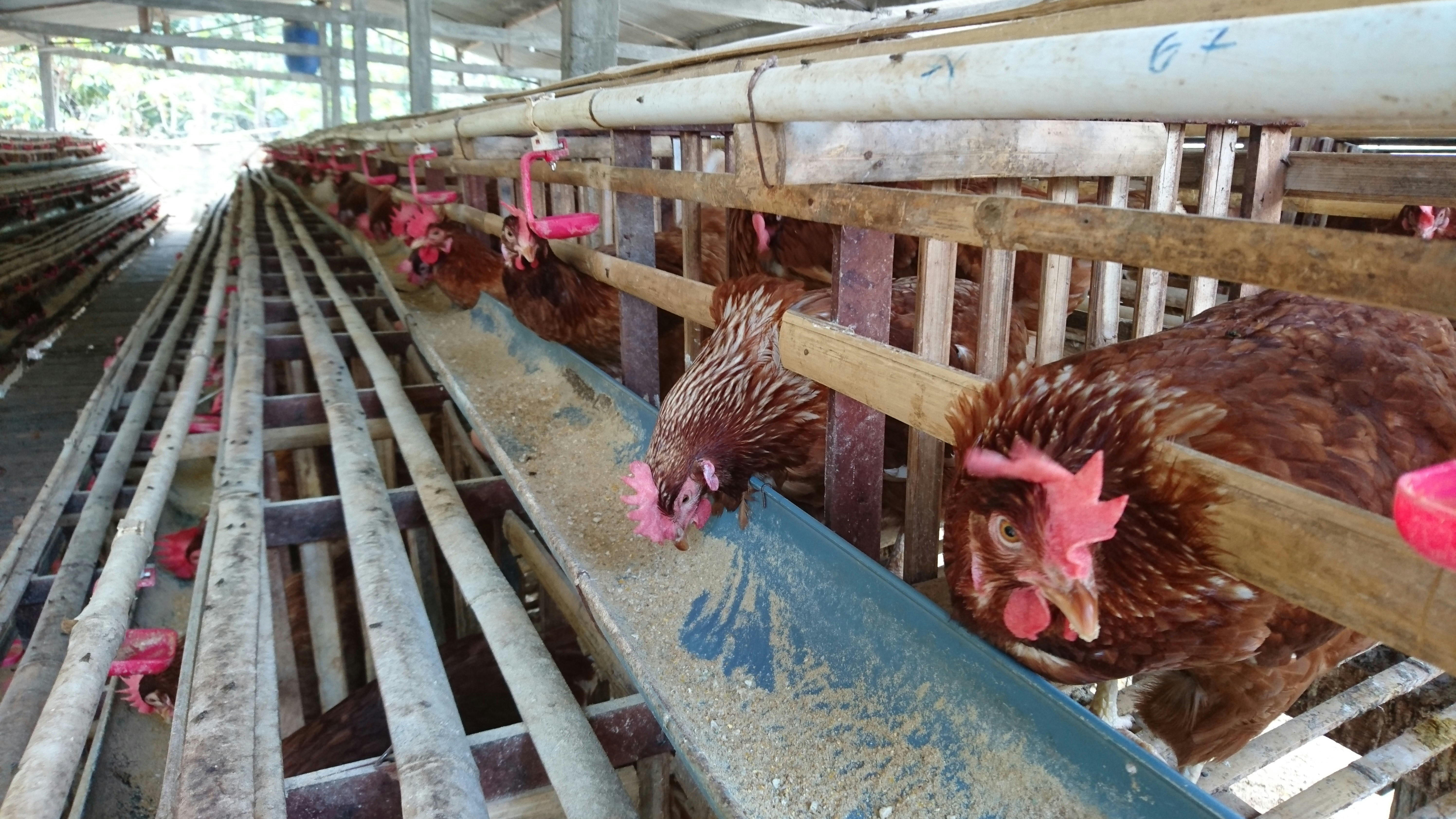
Understanding the Poultry Farming Industry
The poultry farming industry is a vital sector of agriculture that has experienced remarkable growth over the past few decades. As consumer demand for poultry products continues to rise globally, this presents significant opportunities for aspiring farmers.
According to the Food and Agriculture Organization (FAO), poultry production has nearly tripled since the 1980s, reflecting a shift in dietary preferences towards poultry due to its perceived health benefits and affordability.
One of the main categories of poultry farming includes broilers, which are raised specifically for meat production. This type of poultry farming has seen substantial profitability due to the high demand for chicken meat, making it one of the most lucrative segments.
Additionally, layer farming focuses on egg production, contributing further to the industry’s success. Egg consumption has been increasing, as eggs are a vital source of protein and nutrition in various diets worldwide.
Organic poultry farming has also emerged as a significant niche, as consumers are increasingly seeking natural and hormone-free products. The organic poultry market grows consistently, driven by health-conscious consumers willing to pay a premium for organic certifications. This sector requires adherence to specific regulations, which can limit competition but also enhances profitability for compliant farmers.
Conducting thorough market research is essential for anyone entering the poultry farming industry. Understanding market dynamics, consumer preferences, and regional demand will help identify effective strategies and niches within the industry.
By evaluating local trends and competition, prospective poultry farmers can position themselves to capitalize on opportunities that the robust poultry market offers. This proactive approach to market research not only aids in successful planning but ultimately contributes to the long-term sustainability of the poultry farming business.
Starting a poultry farm is a rewarding venture that requires careful planning and execution. The initial step involves formulating a comprehensive business plan that outlines your goals, objectives, and strategies for success. This plan should include market analysis, budget allocation, and an evaluation of the competition to position your farm effectively within the poultry industry.
Once your business plan is in place, selecting the right location is paramount. The site should have optimal conditions for poultry farming, including access to clean water, adequate space, and favorable climatic conditions. Moreover, consider proximity to suppliers, markets, and transportation routes, which can significantly affect operational efficiency.
Securing financing is another critical component of launching your poultry farm. You may explore various funding options, including personal savings, bank loans, and grants. Ensure you have a clear financial projection that demonstrates the potential profitability of your poultry farming venture, as this can help attract potential investors or lenders.
Additionally, obtaining the necessary licenses and permits is essential to operate legally. Regulatory requirements may vary by location, so it is important to consult with local agricultural authorities to ensure compliance with zoning laws and health regulations. Understanding these legal obligations will aid in avoiding potential fines or disruptions in your operation.
Choosing the right breed of poultry is also crucial, as different breeds offer varying advantages in terms of egg production, meat quality, and disease resistance. Conduct thorough research to find breeds that align with your farm’s objectives.
Furthermore, establishing relationships with reliable suppliers for feed and equipment will be vital for maintaining consistent operations. Reliable sources will ensure that your poultry receive the best nutrition and care, contributing to the overall success of your farming venture.
Best Practices for Managing Your Poultry Farm
Effective management is critical for the operational success of a poultry farm. One of the primary practices to implement is biosecurity, which helps prevent the introduction and spread of diseases within your flock.
This includes measures such as controlling access to the farm, ensuring all visitors follow hygiene protocols, and regularly sanitizing equipment and housing. Establishing a biosecurity plan is essential to safeguard your investment and maintain a healthy environment for your birds.
Next, optimizing feeding regimens is crucial for achieving healthy growth rates and maximizing egg production. A diet specifically formulated for the age and purpose of your poultry can significantly impact their health and productivity.
It is advisable to consult a poultry nutritionist to develop a feeding program that suits your flock’s needs while ensuring they receive the necessary vitamins and minerals. Regular monitoring of feed consumption will also help to adjust the feeding strategy as needed.
Proper housing and care are equally important in managing a poultry farm. Providing adequate space, ventilation, and temperature control can create a conducive environment for the birds. The housing should be cleaned and maintained regularly to prevent diseases.
Healthcare management, including vaccinations, parasite control, and routine health checks, is vital in ensuring the flock remains healthy and productive. Investing in a good veterinarian relationship can provide further support and guidance.
Another aspect to consider is efficient waste management. Proper disposal of poultry waste is necessary to reduce environmental impact and maintain farm hygiene. Implementing composting methods can convert waste into valuable organic fertilizer, promoting sustainability.
Lastly, effective record-keeping and financial management play a significant role in monitoring performance and profit margins. Keeping detailed records on flock performance, feed conversions, and expenses will aid in making informed decisions that can enhance the overall profitability of your poultry enterprise.
Marketing Your Poultry Products
Successfully marketing poultry products is crucial for establishing a profitable poultry farm. The first step in this process is identifying your target market. Understanding who your potential customers are, whether they are households, restaurants, or grocery stores, will help tailor your marketing strategies. Conducting market research can surface valuable insights regarding consumer preferences, pricing, and competition.
Once your target audience is defined, building a cohesive brand image becomes essential. Your brand should communicate quality, sustainability, and ethical farming practices, as these values often resonate with modern consumers. Developing a strong brand identity through packaging, logos, and messaging will help differentiate your products in a crowded marketplace.
Another integral aspect of marketing is establishing a strong online presence. In today’s digital age, having a well-designed website that showcases your products, farming practices, and story is imperative. Utilize search engine optimization (SEO) techniques to improve your visibility on search engines, making it easier for customers to find you.
Moreover, creating high-quality content related to poultry farming can draw in visitors, establishing your farm as an authority in the field.
Leveraging social media can significantly boost outreach. Platforms such as Facebook, Instagram, and Twitter allow you to connect directly with customers, share updates, and promote your products. Engaging with followers through informative posts, photos, and videos can help build a community of loyal customers interested in your poultry offerings.
Networking with local retailers and participating in farmers’ markets can also enhance your visibility. Establishing relationships with local store owners can lead to direct sales opportunities. Additionally, implementing farm to consumer sales strategies, such as subscription services for regular delivery, can create a steady income stream while fostering a direct connection with your clientele.
By combining these marketing strategies, you can effectively promote your poultry products and pave the way for a sustainable, profitable venture.