
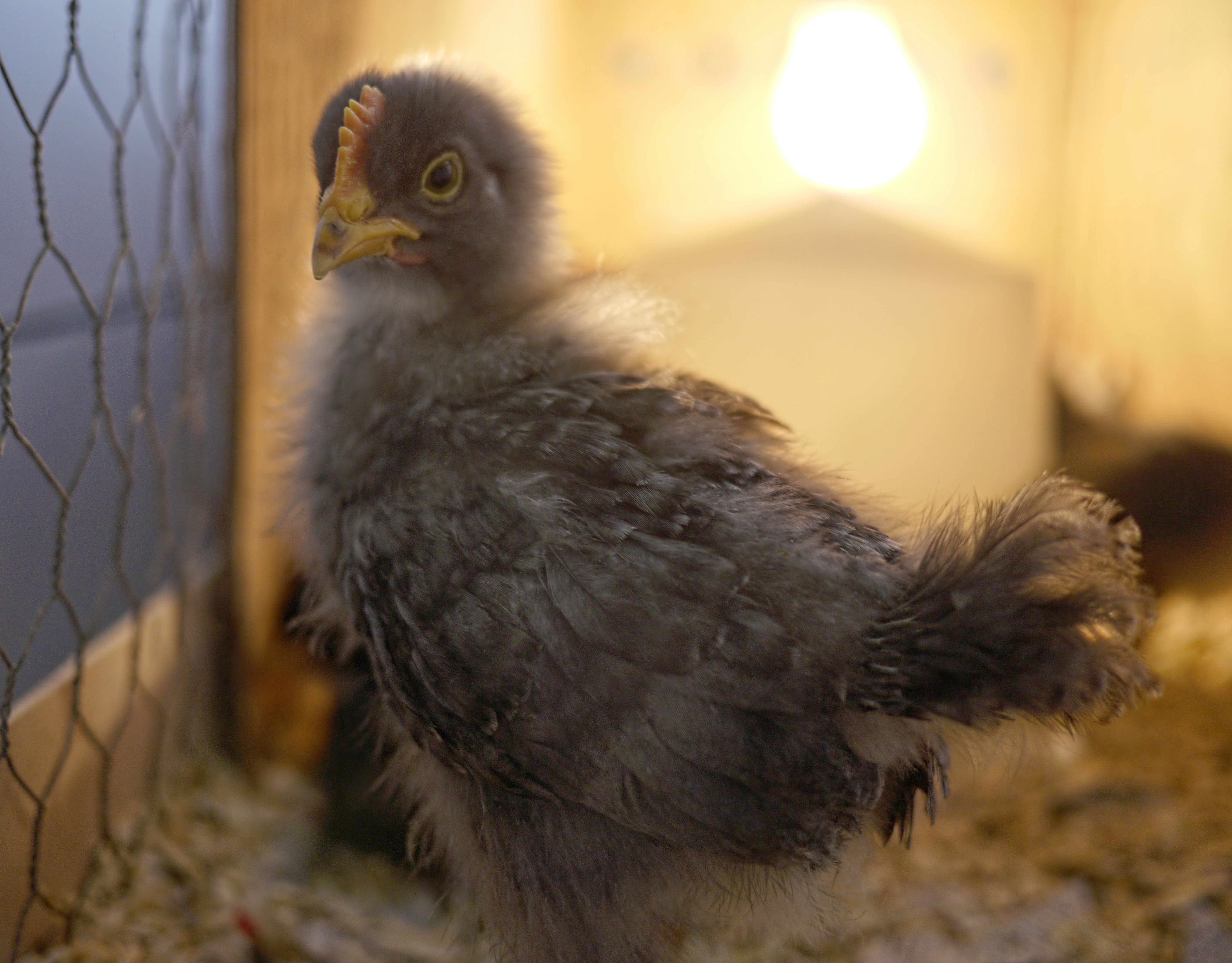
The first 72 hours of a chick’s life are critically important for setting the foundation of its long-term health and productivity. During this initial period, chicks undergo significant physiological changes that require precise care and attention from their caregivers. The conditions that chicks experience in these first few days affect not only their immediate survival but also their growth patterns, immune system development, and overall resilience against diseases.
Temperature regulation plays a pivotal role during the first three days. Newly hatched chicks are unable to regulate their body temperature effectively, making them particularly vulnerable to extremes of heat or cold. A stable and optimal temperature helps to stimulate their metabolism and supports the comprehensive biological processes essential for their growth.
If chicks are too cold, their energy will be diverted towards maintaining body temperature rather than growing and developing properly. Conversely, excessive heat can lead to heat stress, dehydration, and even fatality.
In addition to temperature, proper nourishment and hydration are also critical in these early hours. Chicks require adequate access to both water and a nutritionally balanced starter feed to support their energy needs and promote healthy development. The early intake of nutrients is vital, particularly for boosting the immune system and enhancing overall vitality.
Thus, understanding the importance of this formative window and establishing a stable environment can significantly impact a chick’s future productivity. Caregivers should prioritize maintaining optimal temperature levels while also ensuring that chicks have immediate access to clean water and appropriate feed. Taking these measures can lead to stronger, healthier birds capable of fulfilling their potential in terms of growth and productivity.
Common Temperature Mistakes Made by Farmers
One of the most critical aspects of raising healthy chicks is maintaining the proper temperature during their first few days of life. Unfortunately, numerous farmers encounter common temperature mistakes that can jeopardize chick survival and development. Two prevalent errors include inadequate heating and overheating, both of which can have severe repercussions on the health of the newborn chicks.
A common mistake among poultry farmers is failing to provide adequate heat during the initial days after the chicks’ arrival. Newborn chicks require a temperature around 95°F (35°C) during their first week. If the temperature is set too low, chicks can become lethargic, fail to thrive, and are more susceptible to infections.
For instance, a case study involving a local farm demonstrated that out of 200 chicks, 40% died within the first three days due to insufficient heat, indicating the importance of closely monitoring the temperature.
Conversely, overheating is another critical mistake. Raising the temperature above the recommended level can lead to overheating, dehydration, and increased mortality rates. Symptoms of overheating include panting, spreading wings, and retreating from the heat source.
In a controlled environment study, it was shown that chicks exposed to temperatures of 100°F (38°C) for extended periods had a staggering mortality rate of over 30% within the initial 72 hours. This highlights how crucial it is to maintain a consistent and suitable temperature range.
Improper temperature fluctuation is yet another challenge farmers face. Sudden changes in temperature can cause stress and weaken the immune systems of chicks, making them more vulnerable to diseases. Implementing thermostats and heat lamps can aid in regulating temperature fluctuations effectively. By recognizing and addressing these common temperature mistakes, farmers can significantly improve the survivability and health of their chicks.
Signs of Temperature Stress in Chicks
Understanding the signs of temperature stress in chicks is essential for maintaining their health and well-being in their crucial first 72 hours. Chicks are particularly sensitive to temperature variations, and recognizing their behavioral and physical responses can help poultry farmers ensure a stable environment.
One of the first indicators of temperature discomfort is abnormal behavior. Chicks that are too hot may spread their wings away from their bodies, panting or frequently moving away from the heat source. In contrast, chicks experiencing cold stress huddle together, seeking warmth and exhibiting lethargic movements.
Physical signs also play a critical role in identifying temperature stress. For example, chicks that are hot may appear fluffed up or excessively alert, while those suffering from cold stress become noticeably quieter, making it difficult for them to stay active. A healthy chick typically maintains a balanced posture standing upright with even breathingand demonstrates active peeping sounds.
Any deviation from this norm warrants closer observation. Temperature regulations can be finely tuned by using thermometers or infrared temperature guns, allowing farmers to monitor the environmental conditions in the brooder.
In addition to these observations, heat plates or heating lamps can be set up to provide a controlled warm environment. Adjusting the distance of these heat sources can help in achieving the optimal temperature.
Monitoring chick behavior regularly, along with using reliable temperature indicators, enhances the capability to notice signs of distress early. By being vigilant and proactive, poultry farmers can provide a comfortable environment that promotes healthy development during those critical initial hours.
Best Practices for Temperature Management in Chick Rearing
Successfully raising healthy chicks requires diligent attention to their environmental conditions, particularly temperature. The establishment of an effective heating system is pivotal in the first three days of a chick’s life. Utilizing a heat lamp or a brooder is essential to create a warm and safe environment, with the heat source ideally positioned at one end of the brooder. This setup allows chicks to move away from the direct heat if they become too warm, promoting self-regulation of their body temperature.
In terms of temperature management, it is important to maintain an initial temperature of approximately 90-95 degrees Fahrenheit (32-35 degrees Celsius) during the first week. As chicks grow, they require slightly cooler temperatures to ensure optimal development without overheating.
Gradually reducing the temperature by about 5 degrees Fahrenheit each week is recommended, resulting in a target of around 70-75 degrees Fahrenheit (21-24 degrees Celsius) by the end of the fourth week.
Chick behavior can offer clues regarding their thermal comfort. If chicks congregate under the heat source, they may be too cold; conversely, excessive scattering may indicate overheating. Furthermore, it is critical to regulate temperature fluctuations within the brooding area since rapid changes can stress the chicks.
A consistent temperature routine fosters an environment that allows for healthier growth. Proper ventilation should not be overlooked, as it plays a crucial role in preventing moisture build-up and ensuring adequate air circulation, which further assists in maintaining optimal temperature levels.
Implementing these temperature management practices not only promotes well-being among the chicks but also sets the foundation for a robust and thriving flock. Adhering to these guidelines in temperature regulation can lead to more successful rearing outcomes for farmers and producers.