
Turmeric, scientifically known as Curcuma longa, is a flowering plant belonging to the ginger family, Zingiberaceae, which is native to South Asia. It has long been celebrated not only for its culinary uses but also for its medicinal properties. The key active compound in turmeric is curcumin, which is responsible for many of its health benefits. Curcumin has been extensively studied for its anti-inflammatory, antioxidant, and anti-microbial properties, making it a valuable addition to both human and animal diets.
Turmeric has an amazing nutritional profile that includes several vitamins and minerals that are vital for good health. It includes vital minerals like potassium, calcium, and magnesium as well as vital nutrients including vitamin C, vitamin E, and several B vitamins. Its high antioxidant concentration is especially noteworthy since it helps the body fight oxidative stress, which is a major cause of many health problems. These nutrients are essential for improving digestion, strengthening the immune system, and maintaining general health.
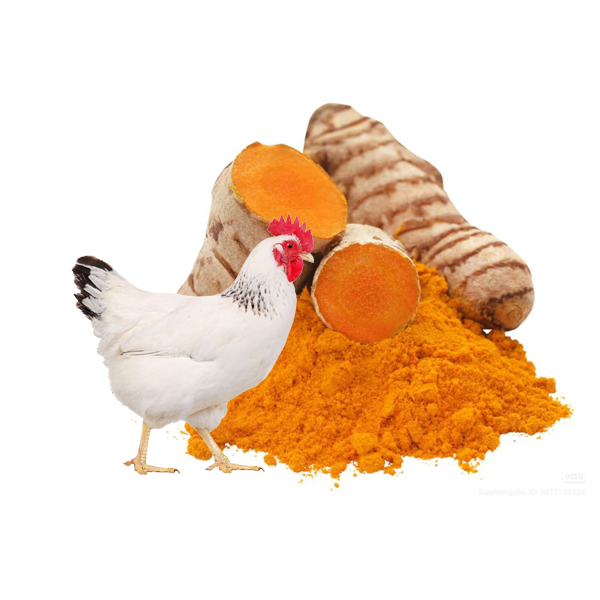
In recent years, turmeric has gained popularity in poultry diets. Its inclusion is primarily attributed to its potential benefits in enhancing overall chicken health and productivity. Turmeric’s natural properties assist in improving gut health, reducing stress levels, and supporting the immune response in chickens. As poultry farmers and enthusiasts looking for natural alternatives to promote health, turmeric emerges as a favorable option, offering a holistic approach to enhancing the nutritional quality of poultry feed. This trend reflects a broader focus within the agricultural community on using natural resources to improve animal welfare and production efficiency.
Health Benefits of Turmeric for Chickens
Turmeric, a vibrant yellow spice renowned for its multi-faceted health benefits, is gaining attention in the poultry industry, particularly concerning chicken health. The active compound, curcumin, contained in turmeric is primarily responsible for its medicinal properties, which encompass anti-inflammatory, antimicrobial, and antioxidant effects. These attributes are vital for maintaining the overall health of chickens, enhancing their productivity and well-being.
One of the most significant advantages of incorporating turmeric into a chicken’s diet lies in its anti-inflammatory properties. Chronic inflammation can lead to various health issues in chickens, such as respiratory problems and decreased immune response. By utilizing turmeric, poultry farmers may witness a reduction in inflammation, promoting healthier chickens and thereby enhancing their livelihood.
Moreover, turmeric’s antimicrobial properties contribute to better gut health in chickens. A healthy digestive system is crucial for nutrient absorption and overall vitality. By reducing harmful bacteria in the gastrointestinal tract, turmeric aids in preventing digestive disorders, subsequently leading to improved weight gain and a healthier flock. Research supports these claims, indicating that turmeric supplementation can significantly lower the incidence of pathogens in poultry.
In addition to these benefits, turmeric acts as a powerful antioxidant. Antioxidants play a critical role in neutralizing free radicals that can cause cellular damage and weaken the immune system. Enhanced immunity is essential for protecting chickens against common diseases. Increased resistance to infections not only ensures healthier birds but can also reduce reliance on antibiotics, promoting a more sustainable farming approach.
Lastly, the inclusion of turmeric in chicken diets can improve feather quality, leading to aesthetically pleasing and healthier birds. Overall, the integration of turmeric into chicken feed is supported by both empirical evidence and expert opinions, enhancing the argument for its use in the poultry industry.
Preparation Methods: Dry Feed and Water Grind Solutions
When it comes to incorporating turmeric into chickens’ diets, there are two primary methods: adding dry turmeric powder to their feed and grinding fresh turmeric root into water. Each of these methods is effective and can be easily executed with minimal equipment.
To prepare dry turmeric feed, start by selecting high-quality turmeric powder. Typically, a dosage of one teaspoon per two pounds of feed is recommended, but this can be adjusted based on your chickens’ size and overall diet. Begin by measuring the powder and then mixing it thoroughly with the feed to ensure even distribution. To enhance acceptance, you might consider wetting the feed slightly with a small amount of water or vegetable oil before adding the turmeric. This process not only helps the powder adhere better but can also make the feed more palatable for the chickens.
The second method involves grinding fresh turmeric root and mixing it with water. For this preparation, you will need a clean grater or food processor to finely grate the fresh root, which helps to release its beneficial compounds. Use about one tablespoon of freshly grated turmeric root per quart of water. Combine the grated turmeric with the water and stir well to create a suspension.
This turmeric water can be offered to chickens either as a part of their drinking water or as a supplement in their feed. To make this method more appealing, consider adding a small amount of natural sweetener, like honey or molasses, to entice the chickens to drink more.
Both preparation methods are efficient ways to provide turmeric’s health benefits to chickens, such as enhanced immunity and improved digestion. Remember to monitor your chickens’ intake and adjust the amount of turmeric based on their response and overall behavior.
Recommended Dosages of Turmeric for Chickens at Different Ages
Turmeric, a spice renowned for its numerous health benefits, has gained popularity among poultry keepers as a dietary supplement for chickens. However, determining the correct dosage of turmeric for chickens varies significantly according to their age and developmental stage. It is essential to provide the right amount of turmeric, as both insufficient and excessive quantities can impact chicken health and well-being.
For baby chicks, the recommended dosage is generally lower. It is advisable to start with approximately 0.05 grams of turmeric per chick, administered in their feed. As chicks grow, between the ages of 6 to 12 weeks, the dosage can be gradually increased to about 0.1 grams per bird. This increment allows for their developing digestive systems to adjust while reaping the benefits of turmeric’s anti-inflammatory and antioxidant properties.
Once the chickens reach adulthood, around 12 weeks and older, the dosage can be further adjusted to about 0.2 to 0.5 grams per day. At this stage, it is important to monitor the chickens’ reaction to turmeric. If they exhibit positive health effects, such as improved skin and feather condition, the dosage can be maintained; however, any signs of distress should prompt a reassessment of the quantity being administered.
Practical tips for integrating turmeric into their diet include mixing the powdered form into their regular feed or providing it as a sprinkle over fresh vegetables. Always ensure that fresh water is available, as turmeric can be slightly dehydrating when consumed in larger amounts. For further guidance on chicken health and nutrition, additional resources can be found on articles related to specific age groups and dietary needs, promoting informed decisions for optimal chicken care.