
Allium sativum, the scientific name for garlic, is a potent herb that has become well-known for its many health advantages, especially for poultry. Its many nutritional qualities provide a variety of chemicals that are beneficial to hens’ health. Among these, the sulfur-containing substance allicin is well-known for its strong antiviral, antifungal, and antibacterial properties. These characteristics are key for strengthening the chicken’s immune system and reducing their vulnerability to illnesses and infections.
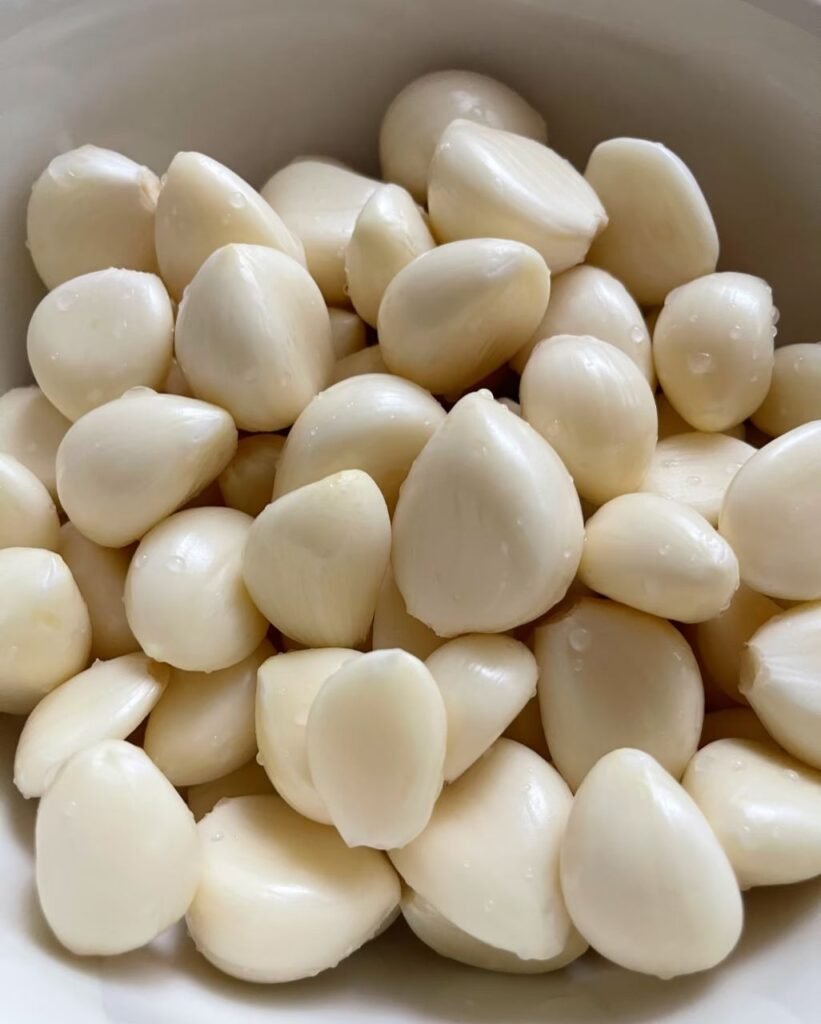
Garlic has been shown to boost the general health of chickens when added to their diet. According to a study that was published in the “Journal of Animal Physiology and Animal Nutrition,” the amount of harmful bacteria in the gastrointestinal tracts of hens who received garlic supplementation significantly decreased. In addition to facilitating improved digestion, this impact strengthens the immune system, which is vital to managing livestock.
Additionally, garlic is noted for its ability to improve feed efficiency. By enhancing the digestive process, garlic enables chickens to extract more nutrients from their feed, which can lead to better growth rates and overall vitality. Furthermore, garlic’s antifungal properties can be beneficial in preventing the proliferation of harmful fungi in the feed, contributing to a healthier poultry environment.
Experts in poultry nutrition advocate for the inclusion of garlic as a natural supplement, emphasizing that it can serve as an alternative or complementary approach to antibiotics. This is particularly important in today’s farming practices, where antibiotic resistance poses a significant challenge. Thus, garlic not only aids in disease prevention but can also contribute to sustainable farming practices.
Preparation of Garlic: Dry vs Wet Methods
When it comes to utilizing garlic for poultry health, two primary methods of preparation are commonly used: drying garlic for feed and grinding garlic into water. Each method has its distinct benefits and potential drawbacks, making it essential for poultry keepers to choose the most appropriate technique based on their specific circumstances.
The drying method involves peeling and slicing fresh garlic cloves, followed by air drying them in a cool, dark place or using a dehydrator. This process preserves many of the medicinal properties found in garlic and can create a long-lasting feed supplement for chickens. One significant advantage of dried garlic is its convenience for storage and ease of use in dry feed. However, it is crucial to monitor the drying process to prevent the growth of mold and ensure potency is maintained. Storing the dried garlic in an airtight container away from moisture and light can prolong its shelf life and efficacy.
On the other hand, the wet method entails grinding fresh garlic cloves and mixing them with water to create a health-promoting infusion. This method can enhance the immediate availability of garlic’s beneficial compounds to the birds. Although it may be considered more potent in terms of bioavailability, fresh garlic mixtures have a shorter shelf life and should be prepared in smaller batches to prevent spoilage. Additionally, it is advisable to introduce garlic-infused water gradually to the chickens, ensuring they adapt well to the supplement without any adverse reactions.
Ultimately, both methods have unique advantages and suitable applications. Providing garlic in chicken feed or water requires careful consideration of the benefits and practical aspects, thereby maximizing the health benefits for the flock. When employing these methods, poultry keepers should also refer to veterinary advice and nutritional guidelines to ensure optimal health outcomes for their chickens.
Determining the Right Dosage of Garlic for Chickens
Garlic, known for its numerous health benefits, can be an effective natural supplement for chickens. Determining the appropriate dosage is important as it varies depending on the chicken’s life stage and individual size. Generally, the recommended dosage of garlic powder for chickens ranges from 0.5 to 2% of their total feed, but precise adjustments should be made according to the age and weight of the poultry.
For chicks, garlic should be introduced cautiously. A lower dosage of 0.5% of their feed is advisable during their first few weeks. This gentle introduction helps them acclimate without causing any digestive disturbances. As they grow, particularly between the 4 to 12-week mark (the grower stage), the dosage can be increased to about 1% of their diet as they become more resilient.
For layers and broilers, the dosage can be elevated further. Layers can benefit from approximately 1.5% garlic in their feed. This not only supports their immune systems but can also improve egg health and production quality. Broilers, on the other hand, often thrive on a dosage closer to 2%. The additional garlic can enhance their growth rates and provide natural pest deterrents.
When modifying dosages, the weight of the birds must be taken into account. Lighter breeds should stick to the lower recommended percentages to prevent any adverse health impacts, while heavier breeds could need an increase. Garlic overuse can cause negative reactions and digestive problems, which emphasizes how crucial it is to follow these dosage recommendations.
For both farmers and poultry enthusiasts, it might be very helpful to include a chart or table that shows these dosages together with the weight and age of the chicken to make this information easier to understand. Additional resources and articles are available for more in-depth information on feeding procedures and including garlic into chicken diets.
Incorporating Garlic into Your Chicken’s Diet Successfully
There are several health advantages to including garlic in your chickens’ daily diet, but you need to handle it with caution if you want your birds to flourish. Their feed is one efficient way to incorporate them. Commercial feeds can readily incorporate garlic powder or pieces, providing a steady dose of this nutrient-rich component. As the chickens become used to the flavor, start with little amounts (about 0.5% to 1% of the total diet) and progressively increase. This slow approach helps avoid any potential upset stomach that could arise from introducing garlic too soon.
Adding garlic to their drinking water is another useful method. You introduce the benefits to your hens without changing their diet by diluting garlic juice or using water infused with garlic. It’s crucial to remember that the water should only contain a small amount of garlic. It might be enough to add a few drops of garlic juice to a gallon of water. Frequent reminders, like changing the water every day, guarantee they get new nutrients and enable accurate observation of any behavioral or health changes.
Consistency is crucial in observing the positive effects of garlic on chicken health. Therefore, creating a reliable routine is recommended, as this will facilitate better assessment of how the inclusion affects the overall flock. Keeping a log of your chickens’ behavior, egg production, and general health can help identify any improvements or concerns directly related to garlic intake.
Additionally, actively engaging in chicken care forums can provide support and insights from experienced chicken owners who share similar interests in incorporating garlic into their diets. These communities can address questions and concerns related to garlic incorporation, providing a wealth of knowledge based on shared experiences.