
What is Coccidiosis?
Coccidiosis is a parasite disease that greatly impacts poultry, causing gastrointestinal pain. This illness is mostly caused by Eimeria species, a group of protozoan parasites that target the bird’s intestinal tract. There are various forms of Eimeria connected with poultry, including Eimeria tenella, Eimeria necatrix, and Eimeria acervulina, each with its own set of symptoms and distribution throughout the gut. Understanding the behavior of these parasites is critical for poultry health management.
The life cycle of Eimeria involves both asexual and sexual phases. Birds initially ingest oocysts from contaminated feed or water. These oocysts release sporozoites in the intestine, leading to the development of new parasite generations. As the parasites multiply, they invade and destroy the intestinal mucosa, resulting in various clinical symptoms.
Affected birds may exhibit lethargy, poor appetite, and significant weight loss, and in severe cases, watery, bloody diarrhea. These symptoms can lead to notable economic impacts on poultry farms through reduced growth rates and increased mortality.
The frequency and severity of coccidiosis outbreaks can vary depending on farm management practices, environmental conditions, and the prevalence of the Eimeria oocysts. In commercial poultry operations, coccidiosis is not only a concern for animal health but also poses a significant threat to overall farm productivity.
The economic losses stemming from this disease may include costs associated with medication, loss of weight gain, and increased mortality rates. Therefore, understanding coccidiosis and its implications is vital for developing effective management strategies ensuring poultry health and welfare.
How Do Chickens Get Infected?
Coccidiosis is a common disease in poultry, particularly in chickens. Chickens develop this infection mostly by exposure to intestinal larvae, which are robust parasites that can live in the environment for extended periods of time. These cells are commonly found in polluted feed, water, and bedding. As a result, chickens may innocently eat these infectious forms, increasing their chance of getting coccidiosis.
Environmental factors play a key role in parasite transmission. Overcrowded living circumstances are a key concern, as high chicken numbers produce more waste products, increasing the danger of bacteria infection. Wet and filthy circumstances also encourage larval survival, meaning sanitation and good living conditions are critical for poultry businesses.
Beyond environmental factors, management practices greatly impact coccidiosis outbreaks. Inadequate biosecurity measures, such as exposure to infected birds or equipment, can worsen the situation. Implementing proper sanitation, including regular cleaning of feeding and watering systems, is crucial in reducing contamination.
Stress factors such as sudden feeding changes, transportation, or environmental changes can all expose chickens to coccidiosis. Stress affects the immune system, leaving birds more vulnerable. Gradual modifications and constant care can lower the chance of outbreaks.
Symptoms and Diagnosis of Coccidiosis in Chickens
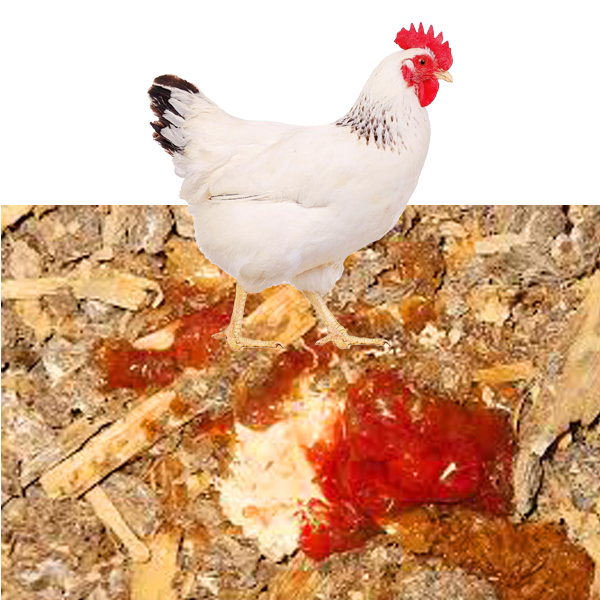
Coccidiosis is a common intestinal disease in chickens caused by protozoan parasites belonging to the Eimeria family. Identifying the symptoms of this virus is important for keeping poultry healthy. Infected chickens usually show signs of illness including diarrhea, which can range from watery to bloody poop, depending on the severity of the infection.
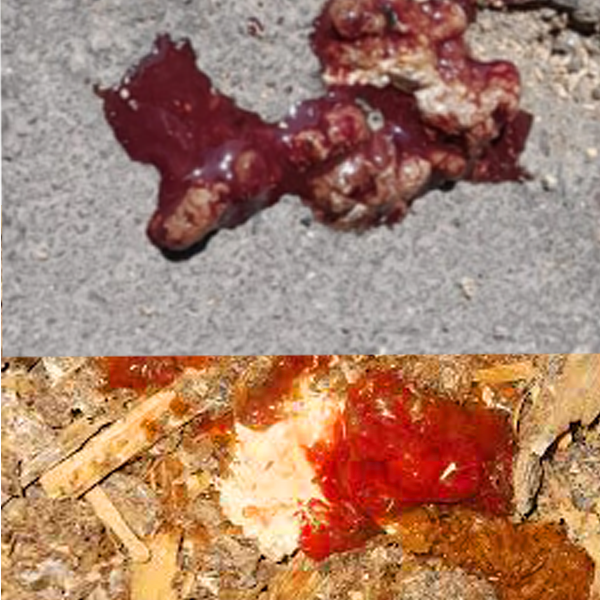
This diarrhea frequently causes weight loss because affected birds may struggle to absorb nutrients through the weakened intestinal lining. In addition, sleepiness is a common sign; chickens may become less active and exhibit behavioral abnormalities, such as separation from the rest of the flock.
To properly diagnose coccidiosis, poultry farmers must differentiate its symptoms from those of other intestinal disorders, such as necrotic or viral enteritis. Coccidiosis is frequently diagnosed when bloody diarrhea is present, along with particular behavioral abnormalities.
Veterinarians may use other diagnostic procedures, such as fecal examination, to identify the cells (Eimeria’s egg-like stage) under a microscope. This diagnostic test is required to confirm the presence of the parasite and rule out any other possible explanations of the symptoms.
Timely identification of coccidiosis is vital to reduce its impact on flocks. Delayed recognition may result in considerable weight loss and mortality, severely affecting the productivity of the poultry operation. Vaccination and proper management practices can help mitigate the effects of coccidiosis, highlighting the importance of regular health monitoring and environmental maintenance to create an optimal living condition for chickens. Early intervention, supported by accurate diagnostics, can significantly improve recovery rates and overall flock health.
Prevention and Control Measures for Coccidiosis
To properly manage coccidiosis, a comprehensive strategy must be implemented, including appropriate preventative and control methods. These methods include biosecurity protocols, immunization choices, dietary techniques, and the use of medicated diets.
Biosecurity is foundational in preventing the introduction and spread of coccidiosis on poultry farms. This involves maintaining clean environments, controlling access to your poultry houses, and minimizing exposure to wild birds or other animal carriers that may harbor coccidia.
Regular cleaning and disinfection of equipment, coops, and surrounding areas help reduce the risk of contamination. Additionally, implementing a strict rodent control program further enhances biosecurity and limits the potential for an outbreak.
Vaccination against coccidiosis can also play a critical role in managing the disease. Several effective coccidial vaccines are available that can help poultry build immunity against specific strains of coccidia. Vaccination should be strategically timed during the early stages of development, allowing chicks to develop robust protective responses against subsequent challenges posed by the parasites.
Nutritional strategies complement biosecurity and vaccination efforts by supporting the overall health of poultry. Providing a balanced diet rich in vitamins and minerals can strengthen the immune system and enhance the birds’ resilience to infections. Furthermore, incorporating probiotics and prebiotics in the feed can promote gut health and further reduce the incidence of coccidiosis.
Medicated feeds containing anticoccidial drugs serve as an additional control measure. These feeds are designed to inhibit the growth of coccidia within the poultry digestive system. However, reliance on medicated feeds should be approached with caution, as it may lead to drug resistance over time. Therefore, an integrated approach that combines biosecurity, vaccination, nutritional management, and judicious use of medicated feeds is crucial in mitigating the impact of coccidiosis and ensuring the health of chickens.