
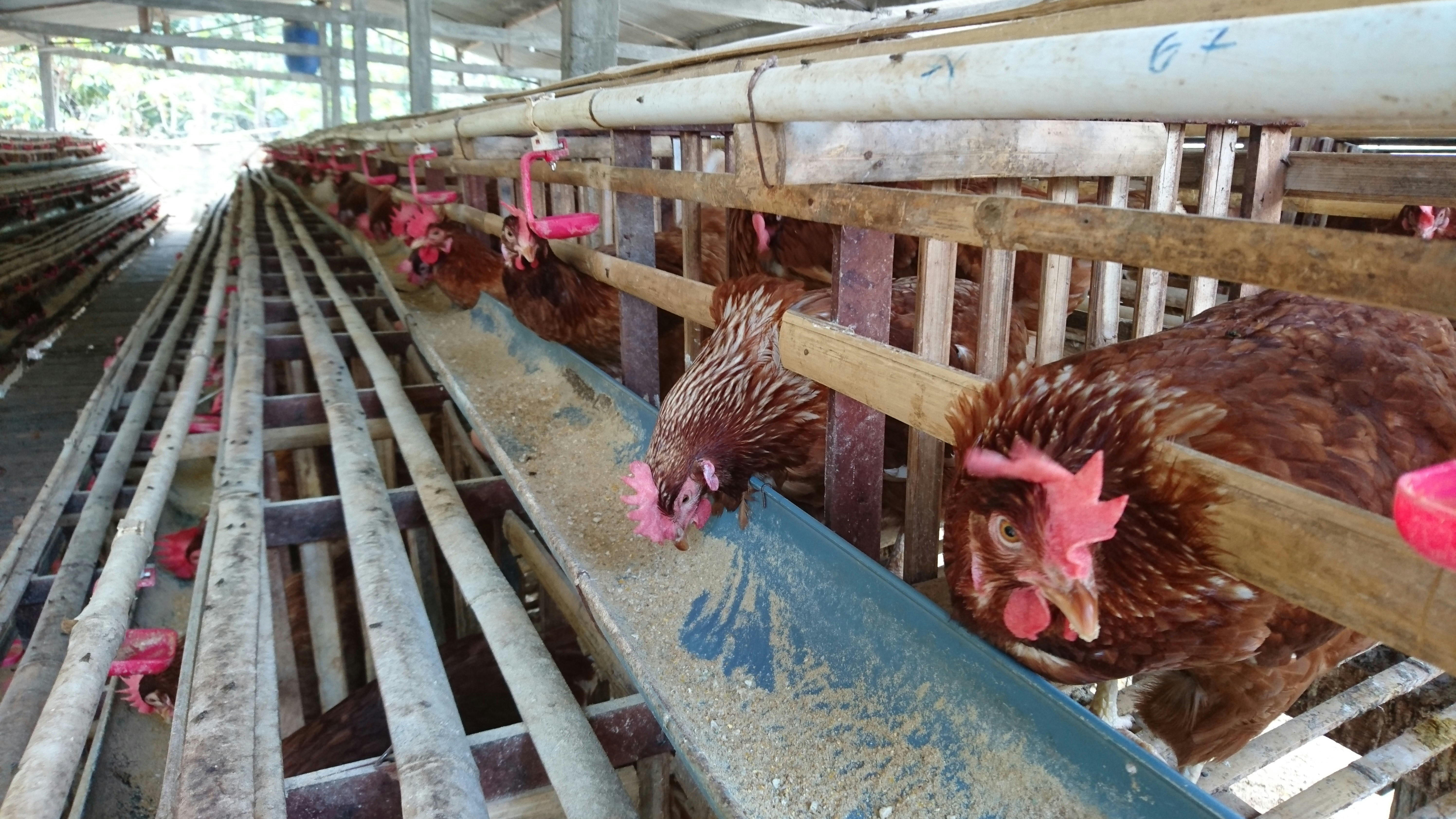
In poultry farming, record keeping goes beyond a simple administrative work, it’s a fundamental practice that’s important for achieving lasting success. Precise and thorough records enable farmers to properly evaluate important performance indicators, including growth rates, feed effectiveness, mortality rates, and the overall health of the flock. These measures are important for understanding the current flock situation and making a well considered choices that boost farm productivity.
Tracking growth rates will help farmers identify trends and factors that promote a better growth, such as breeding choices and management methods. Monitoring feed efficiency that allows changes in diet, ensuring birds get the best nutrition while keeping costs down. Also, closely monitoring mortality rates that will reveals possible health problems or management avoidable mistakes.
Overall flock health is another key area where detailed record keeping is beneficial. By documenting health issues as they occur and monitoring administered treatments, farmers can recognize patterns that may show systemic problems or inefficiencies in flock management. This indepth understanding not only supports a thriving poultry operation but also improves the quality and safety of products for your consumers.
The diffrence between struggling and successful poultry farms often comes down to the In depth and quality of their record keeping. Farms that focus on detailed documentation and data analysis usually see greater efficiency and profitability. As the poultry sector advances, the importance of record keeping will only increase, acting as a key factor in future accomplishments.
Important Records Every Poultry Farmer Must Keep
Effective record keeping in poultry farming is an important element for successful management and enhancement of poultry farms. Records can be categorized to streamline the farming process, including financial, health, production, and inventory records. Each type serves a unique purpose, facilitating better decision making and operational efficiency.
Financial Records: Maintaining accurate financial records is crucial for assessing the economic viability of the poultry operation. These records should include expenses related to feed, veterinary care, equipment purchases, and labor costs. By tracking these expenses against income from poultry product sales, farmers gain insights into profit margins and can make informed financial decisions. For instance, if feed costs rise significantly, adjustments can be made to sourcing or budgeting accordingly.
Health Records: Health records are vital for monitoring the well-being of poultry. They should document vaccinations, disease treatments, and any health-related incidents. Precise health records allow farmers to identify patterns indicating underlying issues. For example, a spike in disease cases may prompt a reevaluation of biosecurity measures or feed quality, aiding in the prevention of larger health crises.
Production Records: These records encompass data on egg production, growth rates, and feed efficiency. By documenting production parameters, farmers can establish benchmarks and track improvements or declines in productivity over time. This information is essential for strategizing breeding programs or optimizing feeding practices to ensure each flock reaches its highest potential.
Inventory Logs: Inventory logs help manage the supplies and equipment essential for daily operation. Recording quantities of feed, medications, and equipment allows farmers to plan purchases efficiently and prevent shortages that could delay operations. Thorough record keeping in poultry not only enhances operational performance but also supports strategic planning and resource management.
Implementing Effective Record Keeping Systems
Implementing an excellent record-keeping system in poultry farming is vital for increasing output while reducing operational problems. First, it is important to establish the sorts of data that must be collected. Key considerations include flock health, feed consumption, productivity indicators, mortality rates, and financial transactions. By recording these facts, poultry farmers can obtain insights into their operations and make more educated decisions.
When it comes to the methods of recording data, there are several approaches to consider. Traditional pen and paper methods can work for smaller operations, however, as the scale increases, electronic record keeping systems become invaluable. Tools such as spreadsheets, databases, or industry-specific software can enhance accuracy and ease of data entry. For instance, software like PoultryManager or FarmLogs offers tailored features that cater specifically to poultry farming, making data management seamless.
To improve accessibility and efficiency, organizing records is paramount. Creating a structured filing system, whether digital or physical, ensures that information can be retrieved quickly when needed. Utilizing indexed folders or folders within a software system categorized by date, flock, or type of data will streamline this process. Furthermore, regular reviews of the records should be conducted to identify trends and highlight areas for improvement.
Additionally, incorporating mobile applications can enhance the real-time recording of data, which proves advantageous during daily operations. This approach allows farmers to input data on the go, reducing the risk of forgotten entries and inaccuracies. Integrating such a user-friendly system into daily routines can significantly improve the overall effectiveness of record keeping in poultry. As a result, poultry farmers can expect improved decision making capabilities derived from accurate, organized, and accessible information.
Analyzing Records for Improved Farm Management
Effective record keeping in poultry farming is not merely about maintaining data; it is about harnessing that data to improve management practices and overall farm productivity. Analyzing records allows poultry farmers to transform raw data into actionable insights. This process involves systematically reviewing various types of records, including production data, feed conversion rates, mortality rates, and health records to identify trends and patterns that may indicate underlying issues or areas for enhancement.
Regularly interpreting records can lead to informed management decisions. For instance, if a farmer notices a consistent decline in egg production over several months, it prompts a deeper investigation into possible causes such as feed quality, changes in housing conditions, or health issues among the flock. By addressing these problems proactively, farmers can mitigate negative effects on productivity and profitability.
Moreover, recognizing seasonal trends in data can help farmers set realistic goals and adjust their practices accordingly. For example, data may show higher feed conversion rates during certain months, suggesting an optimal time for purchasing feed or adjusting breeding cycles. Leveraging such insights fosters a data-driven approach to management, which is essential for optimizing farm operations.
In addition to identifying issues and enhancing operational efficiency, analyzing records can significantly impact profitability. When farmers utilize data to make informed decisions, they are more likely to improve strategies related to pricing, marketing, and distribution. Ultimately, continuous evaluation of records leads to a cycle of improvement and success.
Encouraging a culture of data review among farm staff not only enhances accountability but also enriches collective knowledge. By integrating record keeping into daily operations, poultry farmers can ensure that they remain agile in the face of challenges, continuously honing their practices to achieve better results.