
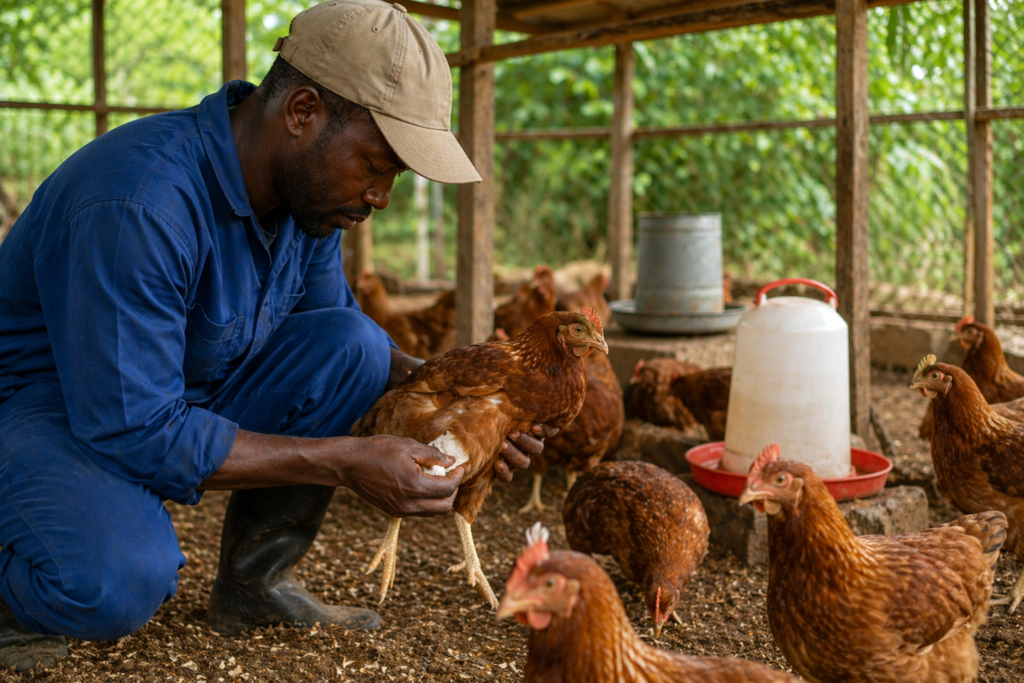
Worried one sick chicken could turn into a flock disaster, costing you time, money, and your sanity? That’s a common fear for new chicken keepers, but preventing it is easier and cheaper than you think. This guide cuts through the jargon and overwhelming advice to give you a clear, vet-reviewed, and farm-tested action plan. We’re providing a complete, downloadable resource hub so you can confidently keep your small flock healthy without breaking the bank. This isn’t just another article. It’s a beginner-first toolkit with printable checklists for cleaning, quarantine signs, photo-based symptom flowcharts for quick identification, and a directory to find local vets and assistance, all designed for busy, budget-conscious flock owners.
Why a Simple Prevention Plan Matters for Your Backyard Flock
A few consistent, low-cost habits are the secret to preventing the vast majority of common poultry diseases. The real cost of a sick flock isn’t just potential vet bills; it’s lost egg production, the stress of managing a crisis, and the time you lose from your daily life. More importantly, it’s about the peace of mind that comes from knowing your flock is healthy and the eggs you bring to your family’s table are safe. A proactive approach to backyard chicken care is the most effective strategy.
The core principle of poultry disease prevention is creating a ‘biosecurity bubble’ around your flock. This means taking simple, deliberate steps to control what comes in and what goes out of your chickens’ environment. Building this bubble is the number one way to prevent pathogens from ever reaching your birds. All recommendations in this guide are based on our on-farm experience and are synthesized from guidelines from leading agricultural bodies, including the USDA and AVMA, to provide you with vet-reviewed protocols you can trust.
The Foundation: Your Daily & Weekly Biosecurity Checklist
The core of flock protection is built on simple, non-negotiable habits. These daily and weekly routines are your first line of defense, requiring minimal time and investment for a massive return in health and security.
The 5-Minute Daily Health Check
A simple morning and evening routine is your best early-warning system. This quick, five-minute check allows you to spot issues before they escalate.
- Morning: When you let your flock out, check that their water is fresh, clean, and full. Scan the feeder for signs of mold, moisture, or pests. Briefly observe the flock’s behavior. Are they active, alert, and moving normally?
- Evening: As they head into the coop, do a quick headcount. Observe for any chickens that are isolating themselves, appear lethargic, or have ruffled feathers. Listen for any unusual sounds like coughing or sneezing.
These simple observations are crucial for establishing a baseline of what is normal for your flock. To help you identify potential red flags, our downloadable photo-based flowchart, “What to Look For,” offers clear visual cues for signs of a sick chicken. This daily chicken health check is a fundamental aspect of chicken biosecurity basics.
Step-by-Step Coop Sanitation & Cleaning Schedule
A clean coop is a healthy coop. Pathogens, parasites, and pests thrive in accumulated waste and damp bedding. A consistent coop cleaning schedule is not just about tidiness; it’s a critical biosecurity measure.
- Weekly (15-20 minutes): Remove soiled bedding from high-traffic areas, especially under roosts. Scrape droppings from roosting bars and nesting boxes. Top off with fresh, dry bedding like pine shavings or straw. Ensure feeders and waterers are scrubbed clean.
- Monthly (1-2 hours): Perform a “deep clean.” Remove all bedding, feeders, and waterers. Scrape down all surfaces to remove manure. Use a low-cost chicken coop disinfectant, such as a 10% bleach solution or a commercial poultry-safe cleaner, to scrub the coop. Allow it to dry completely before adding fresh bedding.
The principles of effective cleaning and disinfection are well-established. According to USDA APHIS avian health and backyard flock biosecurity resources, removing organic matter (manure and dirt) before applying a disinfectant is essential for the disinfectant to work properly. For a detailed guide, download our printable cleaning checklist to stay on track with your low-cost biosecurity plan.
Limiting Exposure: Visitors, Wild Birds, and Rodents
Your biosecurity bubble extends beyond the coop walls. Controlling access and eliminating contact with potential disease carriers is paramount.
- Visitors: Establish a “no-entry” rule for your coop and run, or provide disposable boot covers for anyone who must enter. This is especially important if visitors have their own flocks.
- Wild Birds: Wild waterfowl are notorious carriers of diseases like avian influenza. Use covered runs or netting to prevent wild birds from mingling with your flock and accessing their feed and water.
- Rodents: A proper rodent control chicken coop plan starts with feed management. Store all feed in sealed, chew-proof containers. Clean up any spills immediately and avoid leaving feed out overnight. This makes your coop a less attractive target for disease-carrying pests. Implementing these backyard poultry biosecurity measures is essential for preventing avian influenza and other illnesses.
Quarantine & Triage: Your Action Plan for New or Sick Birds
Knowing how to properly isolate and assess birds is a critical skill that can prevent a single sick individual from infecting your entire flock. These clear instructions remove the anxiety and guesswork from the process.
The 30-Day Quarantine Protocol for New Chickens
Never introduce new chickens directly to your flock. A strict 30-day quarantine is non-negotiable biosecurity for new birds. This period allows you to observe them for any signs of illness that may have been hidden when you acquired them.
- Set Up a Separate Area: Your quarantine pen must be physically separate from your main flock, ideally in a different building or at least 30 feet away with no shared airflow, tools, or equipment.
- Provide Essentials: The pen needs its own dedicated feeder, waterer, and clean bedding.
- Monitor Daily: For 30 days, perform a daily health check. Watch for any signs of sickness, such as lethargy, respiratory distress, or diarrhea.
- Care for Them Last: Always tend to your main flock first, then your quarantined birds. Change your shoes and wash your hands thoroughly after leaving the quarantine area.
- Safe Introduction: If the new birds show no signs of illness after 30 days, you can begin the process of slowly introducing new chickens to the flock.
These principles align with the FAO guidance on practical biosecurity for smallholder and backyard poultry, which emphasizes separation as a key low-cost strategy. To make this easy, you can download our quarantine pen setup checklist and a printable “Quarantine Area” sign.
Symptom Checker: When to Isolate, Treat, or Call a Vet
Seeing a sick-looking bird can be scary. Our photo-based triage flowchart is designed to help you make quick, calm decisions.
- Isolate Immediately: If a chicken is showing clear signs of illness like gasping for air, bloody diarrhea, or inability to stand, separate it from the flock immediately.
- Observe and Assess: For milder symptoms like lethargy or slightly ruffled feathers, isolation and close observation are key. Use our downloadable emergency triage checklist to track symptoms. For example, if you notice potential sick chicken symptoms, the chart will guide you: “Is the bird sneezing?” -> “Check for nasal discharge or facial swelling.” -> “See accompanying photo? This could indicate a chicken respiratory disease; consult a vet.
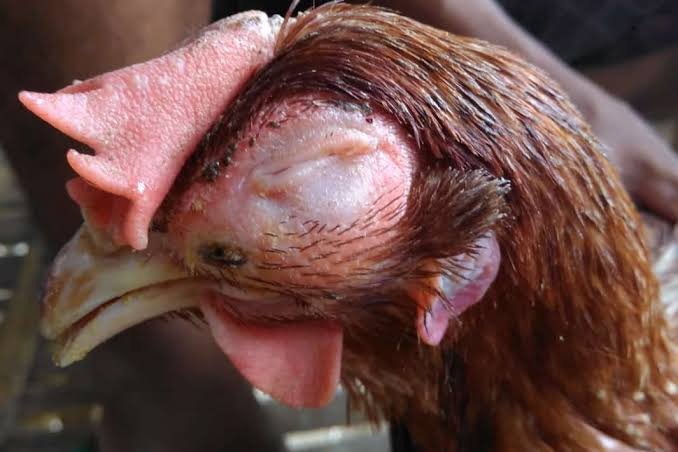
- Know When to Call a Vet: This tool is for triage, not for diagnosis. The flowchart will clearly indicate signs that warrant professional medical attention. According to the AVMA guidance on backyard chicken health, establishing a relationship with a veterinarian before you have an emergency is one of the most important steps you can take. If you are ever unsure, find a poultry vet near me and make the call.
Proactive Health: Vets, Vaccines, and Seasonal Planning
Moving from reactive panic to proactive care involves understanding the resources available and planning for seasonal risks.
Do Backyard Chickens Need Vaccines?
For small, closed flocks, the answer is often nuanced. One of the most common questions is about the Marek’s disease vaccine, a viral illness that causes tumors and paralysis. Most hatcheries offer this vaccination for day-old chicks, and for many backyard keepers, it’s a worthwhile investment. However, do my chickens need vaccinations for every possible disease? Generally, no. Many commercial vaccines are designed for large-scale operations and aren’t practical for a small flock. The best approach is to discuss your flock’s specific risks with your hatchery or veterinarian to make an informed decision on backyard chicken vaccines.
How to Find a Vet for Your Flock (Even in the Country)
Finding a vet who treats poultry can be a challenge, but resources are available. Start by contacting your local university poultry extension service; they often maintain lists of qualified practitioners. Our vetted directory of local vets can help you find a chicken vet in your area. Additionally, online vet for chickens services are becoming more common, offering tele-vet consultations that can be invaluable for initial assessments. As one veterinarian from the AVMA notes, “The best time to find a poultry vet is when your birds are healthy. Establishing that relationship early means you have a trusted partner ready to help in an emergency.”
Seasonal & Regional Alerts
Poultry health risks change with the seasons. Avian influenza risk increases during wild bird migration seasons in the spring and fall. Summer brings the danger of heat stress, while winter can exacerbate respiratory issues in a poorly ventilated coop. To help you stay ahead of these threats, we offer a local alert feed and email opt-in service, providing timely warnings and management tips relevant to your region.
From Coop to Kitchen: Simple Food Safety for Healthy Eggs & People
A healthy flock produces healthy eggs, but safe handling practices are essential to protect your family from foodborne illnesses.
Preventing Salmonella: The Right Way to Handle and Clean Eggs
Salmonella can be present on the outside of an eggshell from contact with poultry droppings. Following proper procedures is crucial.
- Collect Eggs Often: Gather eggs at least once a day to prevent them from becoming cracked or excessively dirty.
- Clean Dry, If Possible: If eggs are dirty, try to clean them with a dry cloth or fine-grit sandpaper.
- Washing Eggs: If you must wash them, use water that is warmer than the egg’s temperature to prevent bacteria from being pulled into the egg through its pores. The USDA FSIS egg handling and food safety advice provides clear guidelines on this.
- Refrigerate Promptly: Washed eggs must be refrigerated immediately to slow bacterial growth. Unwashed eggs with the bloom intact can often be kept at room temperature, but storing farm-fresh eggs in the fridge is the safest bet.
Following the CDC guidance on backyard poultry and Salmonella prevention is the best way to ensure preventing salmonella from backyard chickens is a priority.
Handwashing & Hygiene: Protecting Your Family
Simple hygiene is your best defense against transferring germs from the coop to your home.
- Wash Your Hands: Always wash your hands thoroughly with soap and water after handling your chickens, their eggs, or anything in their environment.
- Designate “Chicken Shoes”: Keep a specific pair of boots or shoes for coop chores and remove them before entering your house. This prevents tracking manure and bacteria inside.
- Supervise Children: If you have children interacting with the flock, supervise them closely and ensure they wash their hands immediately afterward. These steps are simple but incredibly effective at keeping your family safe.
Conclusion
Keeping your backyard chickens healthy isn’t about expensive equipment or complicated science; it’s about consistent, simple routines. By following these farm-tested and vet-reviewed protocols for biosecurity, sanitation, and quarantine, you can prevent most problems before they start. You now have the knowledge to build a protective bubble around your flock, confidently identify early warning signs, and handle your farm-fresh eggs with care.
Don’t wait for a crisis. Download the complete Beginner’s Disease Prevention Toolkit now — including printable checklists, symptom flowcharts, and your emergency triage guide — and build a confident, proactive plan for your flock today.
Authoritative Backing
This guide and its downloadable resources were developed by farm experts and reviewed for accuracy by licensed veterinarians. Our advice is synthesized from leading authorities including the CDC, USDA, and AVMA to ensure you receive trustworthy, actionable information.
Frequently Asked Questions
How much does it cost to prevent diseases in a small flock? Disease prevention is incredibly cost-effective. The primary costs are for quality feed, clean bedding, and basic disinfectants like a bleach solution or a commercial cleaner, which amount to a small recurring expense. The most valuable tools—observation, cleanliness, and quarantine—cost nothing but your time and diligence.
What are the absolute must-have supplies for a beginner’s chicken first-aid kit? A basic kit should include: disposable gloves, saline solution for flushing wounds or eyes, styptic powder to stop bleeding from a broken feather or nail, electrolytes/probiotics for supportive care, and a separate cage or crate to serve as a quarantine or hospital pen.
Can a sick chicken get better on its own? Sometimes, a chicken with a minor issue can recover on its own, especially with supportive care like isolation, warmth, and easy access to food and water. However, many poultry diseases are aggressive and contagious. It is always safest to isolate the bird immediately and consult a symptom checker or veterinarian, as waiting can put the entire flock at risk.
How can I tell if my coop has good ventilation? A well-ventilated coop will not have a strong ammonia smell, and you will not see condensation on the windows or walls in the morning. Good ventilation allows damp air and ammonia fumes to escape without creating a direct, cold draft on your birds where they roost. Vents should be located high up on the coop walls, above the chickens’ heads.
Is it safe to eat eggs from a chicken that was recently sick? It is safest to discard eggs from a chicken that is actively sick or on medication (unless cleared by a vet). Once the chicken has fully recovered and is no longer on any medication with a withdrawal period, its eggs are generally considered safe to eat. Always cook eggs thoroughly to an internal temperature of 160°F to kill any potential bacteria.