
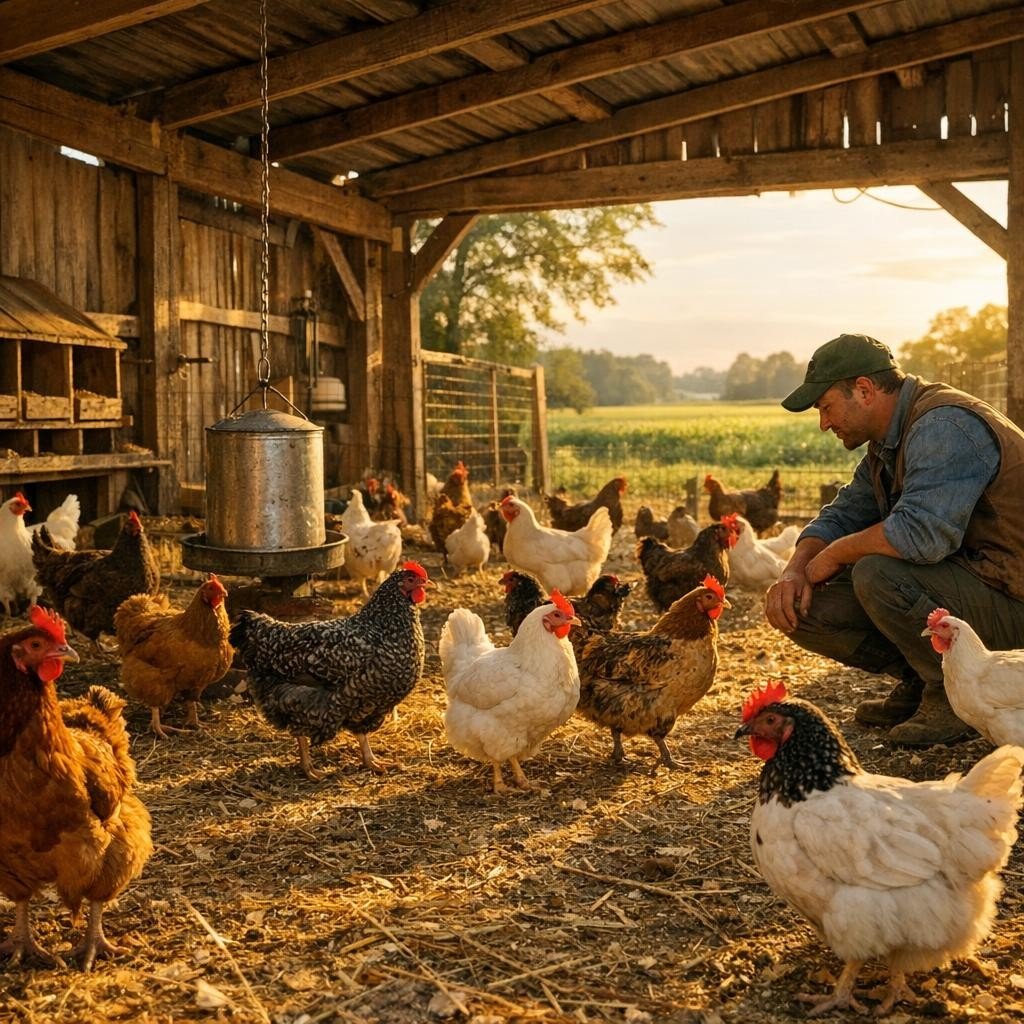
Healthy birds mean a profitable farm, but disease outbreaks can wipe out an entire flock before you even notice the warning signs. Whether you’re raising chickens, turkeys, or ducks, understanding what threatens your birds and how to respond fast is the difference between a thriving operation and devastating losses.
This guide breaks down the most critical poultry diseases, how to spot them early, and practical steps you can take today to keep your flock safe and your farm productive.
Why Poultry Disease Management Matters More Than You Think
Most farmers know disease is a risk, but few have a structured plan before an outbreak hits. The reality is that bacterial, viral, fungal, and parasitic diseases don’t just kill birds; they quietly drain your profits through:
- Reduced egg production
- Poor feed-to-weight conversion
- Increased veterinary and medication costs
- Flock-wide mortality in severe cases
The good news? Most losses are preventable with the right knowledge and systems in place.
The Major Poultry Diseases and How to Handle Them
Bacterial Diseases
Salmonellosis One of the most widespread bacterial threats in poultry farming. Infected birds show diarrhea, dehydration, and lethargy. What makes it particularly dangerous is its ability to spread through contaminated feed, water, and even through eggs to the next generation. Strict hygiene protocols and vaccination are your first line of defense.
Fowl Cholera Caused by Pasteurella multocida, this disease can kill birds suddenly or develop into a chronic infection with nasal discharge and swollen wattles. Rodents are a major carrier — often overlooked on many farms. Rodent control is non-negotiable.
Mycoplasma Infections These infections linger. Antibiotics reduce symptoms but won’t eliminate the bacteria entirely. Always source Mycoplasma-free birds and vaccinate regularly to keep this under control.
Viral Diseases
Newcastle Disease Highly contagious and capable of spreading through direct contact, contaminated equipment, and even farm workers’ clothing. Birds show respiratory distress, neurological signs, and a dramatic drop in egg production. There is no treatment, vaccination and strict quarantine protocols are your only defense.
Avian Influenza (Bird Flu) Perhaps the most feared disease in poultry farming. Wild birds are a major transmission route that many backyard farmers underestimate. Infected flocks are typically culled to stop the spread. Surveillance and rapid response are critical.
Marek’s Disease This herpes virus lives in feather dander and can survive in the environment for months. It causes paralysis and tumors in young birds. Vaccination at the hatchery is the most effective and only preventive measure, as there is no treatment once a bird is infected.
Infectious Bronchitis A coronavirus affecting the respiratory tract and egg quality. Eggs become misshapen with poor shell quality a clear sign often missed or misdiagnosed by farmers. Vaccination combined with biosecurity reduces outbreaks significantly.
Infectious Bursal Disease (Gumboro) Particularly devastating in young chickens because it attacks the immune system, leaving birds vulnerable to every other infection. Early vaccination and strict hygiene are essential.
Fowl Pox Spread by mosquitoes and direct contact, Fowl Pox appears as wart-like lesions on the skin or as lesions in the throat and respiratory tract. Mosquito control is a key prevention step that is frequently overlooked.
Parasitic Diseases
Coccidiosis One of the leading causes of death in young chickens. Bloody droppings are a telltale sign. The parasite thrives in wet, poorly managed litter. Clean, dry bedding and anticoccidial medications in feed or water are effective management tools.
External Parasites (Mites) Mites don’t just irritate birds they cause anemia, weight loss, and significant drops in egg production. Check regularly around the vent area, under wings, and along the skin. Treat birds and the environment simultaneously, since mites can survive off the host.
Fungal Diseases
Aspergillosis Unlike most poultry diseases, Aspergillosis does not spread from bird to bird it spreads through moldy environments. Damp bedding and contaminated feed are the primary culprits. There is no effective treatment, making prevention through proper ventilation and dry housing absolutely critical Nutritional Deficiencies
An often-overlooked category. Poor diet causes conditions like Rickets (weak bones from calcium/vitamin D deficiency), reduced egg production, and stunted growth. A balanced, high-quality feed formulated for your specific bird type isn’t optional it’s foundational.
How to Detect Disease Early (Before It’s Too Late)
Daily flock observation is your most powerful diagnostic tool and it costs nothing. Train yourself and your staff to watch for:
- Unusual behavior or isolation from the flock
- Changes in droppings (color, consistency, blood)
- Reduced feed or water intake
- Swollen faces, discharge, or labored breathing
- Drop in egg production or shell quality changes
Pro Tip: Keep a simple disease symptom chart posted in your farm. When you spot something unusual, act immediately don’t wait to see if it gets worse.
Practical Prevention Strategies That Actually Work
| Strategy | Key Actions |
|---|---|
| Biosecurity | Restrict farm access, disinfect equipment, quarantine new birds |
| Vaccination | Follow a scheduled program, keep detailed records per flock |
| Environmental Control | Adequate spacing, proper ventilation, dry and clean bedding |
| Feed & Water Hygiene | Use mold-free feed, clean waterers daily |
| Pest Control | Manage mosquitoes, rodents, and wild bird access |
Treatment: What to Do When Disease Hits
Speed is everything. The moment you suspect a disease outbreak:
- Isolate affected birds immediately
- Contact your veterinarian do not self-prescribe antibiotics or antivirals
- Document symptoms, timeline, and affected numbers
- Disinfect all shared equipment and housing
Antibiotic resistance is a growing crisis in poultry farming, largely driven by unsupervised medication use. Always work under veterinary guidance for treatment decisions.
Building a Long-Term Flock Health Plan
The farms that consistently outperform others aren’t just reacting to disease they’re preventing it. Here’s what that looks like in practice:
- Train your staff on disease symptoms and biosecurity protocols
- Partner with a local veterinarian before you need one in an emergency
- Review your health plan seasonally disease risks shift with weather and flock changes
- Stay updated on emerging disease threats in your region
Final Thoughts
A healthy flock is the foundation of a profitable, sustainable poultry farm. Disease management isn’t a one-time task it’s an ongoing commitment to observation, prevention, and fast action. The farmers who invest in these practices don’t just lose fewer birds; they build operations that withstand the challenges that drive others out of the business.
Start with the basics: clean housing, proper vaccination, quality feed, and a trusted vet. Everything else builds from there.