
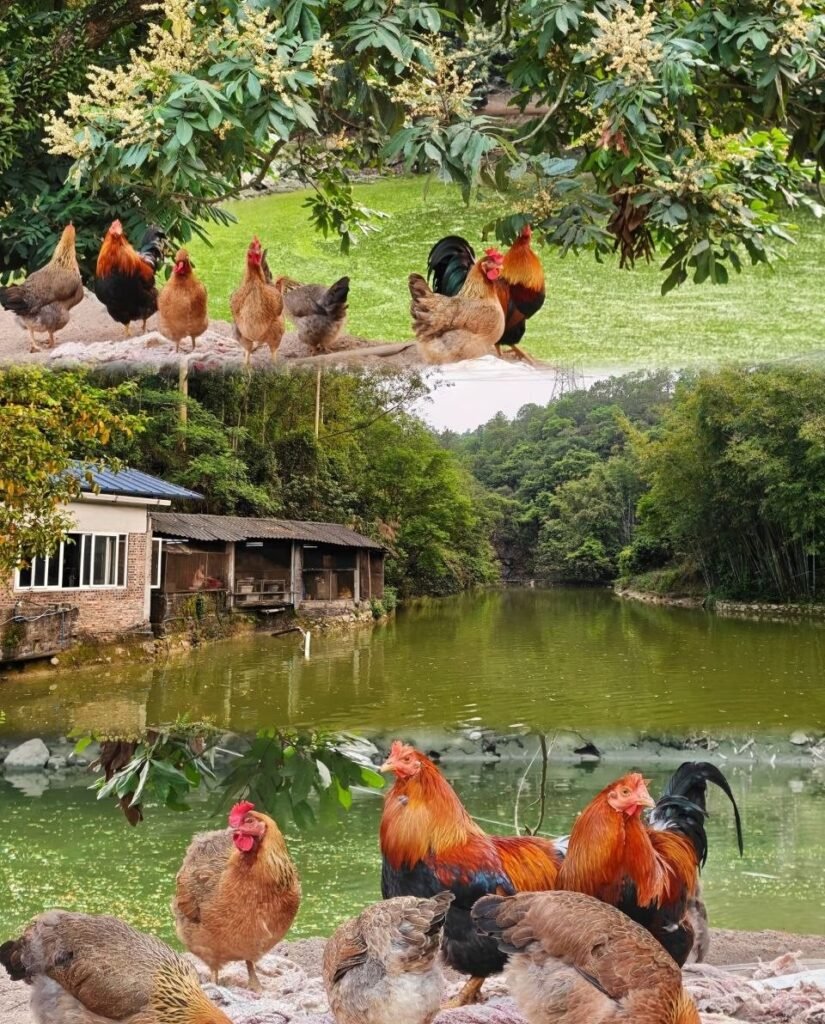
A bird looks weak. It is droopy. It is panting. It is not moving well. So you quickly give a stress relief drink and hope for the best.
But here is the hard truth many farmers discover too late: some birds do not recover, not because the support drink was useless, but because it was used the wrong way, That is where costly mistakes begin.
In both backyard and commercial poultry farming, weak or stressed birds need more than a quick remedy. They need the right sequence of care. And one mistake in particular is why some birds continue to decline even after farmers “do something.” If your chickens are weak, heat-stressed, or recovering poorly, these are the three mistakes you must stop making immediately.
What This Problem Really Is
When farmers talk about weak or stressed birds, they are often describing chickens that show signs such as:
- Droopiness
- Panting
- Wings held away from the body
- Low activity
- Poor appetite
- Sitting too much
- Slow recovery after heat or handling stress
These signs are common during:
- Hot weather
- Overcrowding
- Poor airflow
- Transport stress
- Water shortage
- Sudden environmental stress
Many farmers respond by giving stress relief water for chickens, usually a short-term homemade support drink or poultry electrolyte solution, That is a good first step. But it is only the first step.
What Stress Relief Water Is Meant to Do
Stress relief water is designed to give temporary support, It may help with:
- Hydration support
- Quick energy
- Electrolyte balance
- Short-term recovery during heat or stress
It is not meant to replace good management, And it is definitely not meant to sit in the pen all day like a magic solution in a bucket.
Why Weak or Stressed Birds Fail to Recover
This is where many farmers get trapped, They do one correct thing, then make two or three follow-up mistakes that cancel the benefit.
A bird under stress is not only dealing with thirst or low energy. It may also still be suffering from:
- Heat
- Crowding
- Poor ventilation
- Dirty water
- Lack of shade
- Ongoing environmental pressure
So even after giving a support drink, the bird may still be battling the same root stress.
The Real Reason Recovery Fails
Recovery fails when farmers treat the symptom but leave the cause untouched.
If heat stress is still present, if airflow is still poor, or if the bird still has no access to fresh cool water, the stress continues, And no bird recovers properly while the real pressure remains. That is the uncomfortable truth, But it is also the key to getting better results.
How Stress Relief Water Works
A short-term stress support drink helps by giving the bird immediate support during a difficult period.
It Helps Support Hydration
Weak or heat-stressed birds lose body balance quickly. A support drink can help the bird take in fluid more effectively for a short period.
It Helps Support Energy
Stressed birds often eat less. A proper support mix may help provide quick energy during temporary weakness.
It Helps Support Recovery
When used correctly, stress relief water can help birds stabilize enough to recover more comfortably, But here is the important limit:
Stress relief water supports recovery. It does not replace recovery management.
That distinction saves birds.
Step-by-Step Practical Management for Weak or Stressed Birds
If your birds are weak, droopy, or heat-stressed, use this simple sequence.
Step 1: Give Stress Relief Water for a Short Time Only
Offer the support drink for 4 to 6 hours only.
This is where many farmers go wrong. They mix the water and leave it for the entire day. That is not the purpose, Short-term support means short-term support.
Step 2: Replace It With Fresh, Cool, Clean Water
After the support period, remove the remedy and give the birds plain fresh water, This step is just as important as the remedy itself. Without enough fresh cool water afterward, the bird cannot continue recovering properly.
Step 3: Reduce the Real Cause of Stress
Now deal with the actual pressure affecting the flock. That may mean:
- Reducing heat exposure
- Improving ventilation
- Lowering crowding
- Adding shade
- Cleaning and refilling drinkers
- Reducing unnecessary handling
This is the step that decides whether birds recover well or continue declining.
Step 4: Monitor the Birds Closely
Watch for signs of improvement such as:
- Less panting
- Better alertness
- Improved movement
- More interest in water
- Better posture
- More normal flock behavior
If birds remain very weak, collapse, stop drinking, or show disease signs, do not assume it is only stress. Investigate further.
Mistake 1: Giving Stress Relief Water and Leaving It All Day
This is one of the most common mistakes in poultry stress management, Farmers mix the support drink and leave it in the pen from morning to evening, thinking longer exposure means better recovery. It does not work that way, Stress relief water is meant for 4 to 6 hours, not all day.
Why This Is a Problem
- It is designed as temporary support, not a daily drink
- The water may become warm and less useful
- Birds still need plain water afterward
- Over-reliance on the remedy creates poor recovery management
The support drink should be part of the plan, not the whole plan.
Mistake 2: Forgetting to Replace It With Fresh, Cool, Clean Water
This mistake sounds small, but it causes big problems, Some farmers give the remedy and feel they have already solved the issue. They forget the next step: plain water. But birds recovering from stress need continued access to clean, cool drinking water.
Why This Matters
Fresh water helps:
- Maintain hydration
- Support body cooling
- Encourage continued drinking
- Improve recovery after the support period
A bird cannot recover well if the follow-up water management is poor, This is one of the reasons heat-stressed chickens continue looking weak even after treatment.
Mistake 3: Treating the Water Like the Full Solution
This is the most serious mistake of all, Some farmers give a stress remedy while the birds are still suffering from:
- Excess heat
- Poor airflow
- Overcrowding
- Hot housing
- Direct sun exposure
- Bad ventilation
And then they wonder why some birds never recover, Here is the answer:
No bird recovers well if the real stress is still there.
If the house is too hot, the bird is still being damaged, If air is not moving, the bird is still struggling, If the flock is overcrowded, the stress has not ended.
The water can support the bird, but it cannot remove heat from a badly managed poultry house. That part is your job as the farmer.
A little tough love here: the drink is not a superhero in a cup.
Tips for Better Results
If you want better recovery in weak or stressed birds, focus on the full system.
Act Early
Do not wait until birds are collapsing. Early support always gives better results.
Keep Water Cool and Clean
During hot periods, water quality matters almost as much as water quantity.
Improve Ventilation Fast
Open up airflow where possible. Stale hot air traps stress inside the pen.
Reduce Crowding
Too many birds in a tight space make recovery slower and heat stress worse.
Add More Drinkers if Needed
Weak birds should not struggle to access water.
Use the Right Sequence
The best approach is simple:
- Give short-term stress relief
- Return to plain fresh water
- Remove the source of stress
That order matters.
Watch for Disease Look-Alikes
Not every weak bird is suffering from heat stress alone.
Weakness can also come from:
- Coccidiosis
- Respiratory disease
- Newcastle disease
- Worm burden
- Bacterial infection
- Feed or water problems
If birds are not improving, do not keep repeating stress remedy water while ignoring the possibility of disease.
What Most Farmers Miss
What most farmers miss is this:
Stress relief is not the same as stress removal. That one sentence explains a lot of failed recovery cases. Many farmers think the moment they give a support drink, they have handled the problem.
But the truth is:
- The remedy supports the bird
- Fresh water sustains the bird
- Good management saves the bird
The birds that recover best are not always the ones that got the strongest remedy. They are often the ones whose environment was corrected quickly.
That means the smart farmer does three things in order:
- Supports the bird
- Rehydrates the bird properly
- Removes the stress causing the problem
That is how real poultry recovery works.
Practical Takeaways / Summary
- Stress relief water should only be given for 4 to 6 hours.
- Do not leave stress remedy water with birds all day.
- Always replace it with fresh, cool, clean water afterward.
- A support drink is not the full solution if heat, crowding, or poor airflow remain.
- Weak birds recover better when you remove the real source of stress quickly.
- Good poultry stress management is a sequence, not a single action.
- If birds do not improve, check for disease and broader management problems.
FAQ
1. How long should stress relief water be given to chickens?
Stress relief water should be given for 4 to 6 hours only as short-term support. After that, provide plain fresh water.
2. Can I leave electrolyte or stress support water with chickens all day?
No. Leaving it all day is a common mistake. These support drinks are meant for temporary use, not continuous daily drinking.
3. What should I give chickens after stress relief water?
Give them fresh, cool, clean plain water immediately after the support period. This helps continue hydration and recovery.
4. Why are my chickens still weak after giving a stress remedy?
They may still be suffering from heat, crowding, poor airflow, dehydration, or disease. The remedy supports recovery, but it does not remove the real cause of stress.
5. What causes heat stress in poultry?
Common causes include:
- High temperature
- Poor ventilation
- Overcrowding
- Lack of shade
- Inadequate drinking water
- Hot housing conditions
6. Is stress relief water a cure for sick chickens?
No. It is supportive care, not a cure. If birds remain weak or show serious signs of illness, proper diagnosis and treatment are needed.
Conclusion
When birds are weak or stressed, fast action matters. But correct action matters even more.
Too many farmers make the mistake of giving stress relief water and stopping there. They leave it too long, forget the follow-up fresh water, and fail to remove the heat, crowding, or poor airflow that caused the problem in the first place.
That is why some birds never recover. The better approach is simple and effective:
First support them with stress relief. Next give them plain water. Finally reduce and remove anything causing the stress.
That is how experienced poultry farmers turn temporary support into real recovery.
Accuracy Note
This article discusses short-term supportive care for weak or heat-stressed birds. It is not a substitute for veterinary diagnosis. If birds are collapsing, dying suddenly, or showing ongoing illness, investigate disease causes and seek professional poultry health guidance promptly.